

PDF
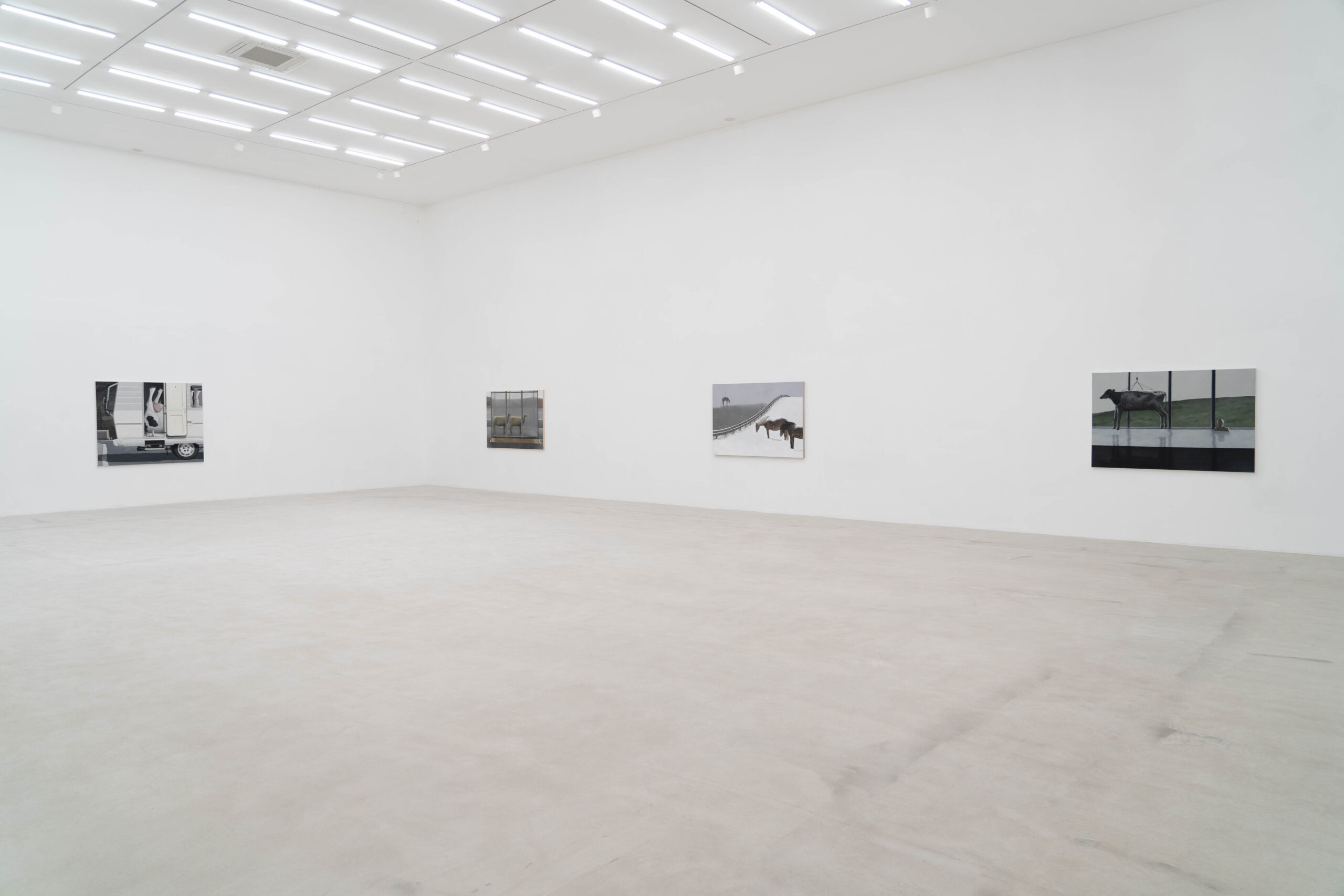
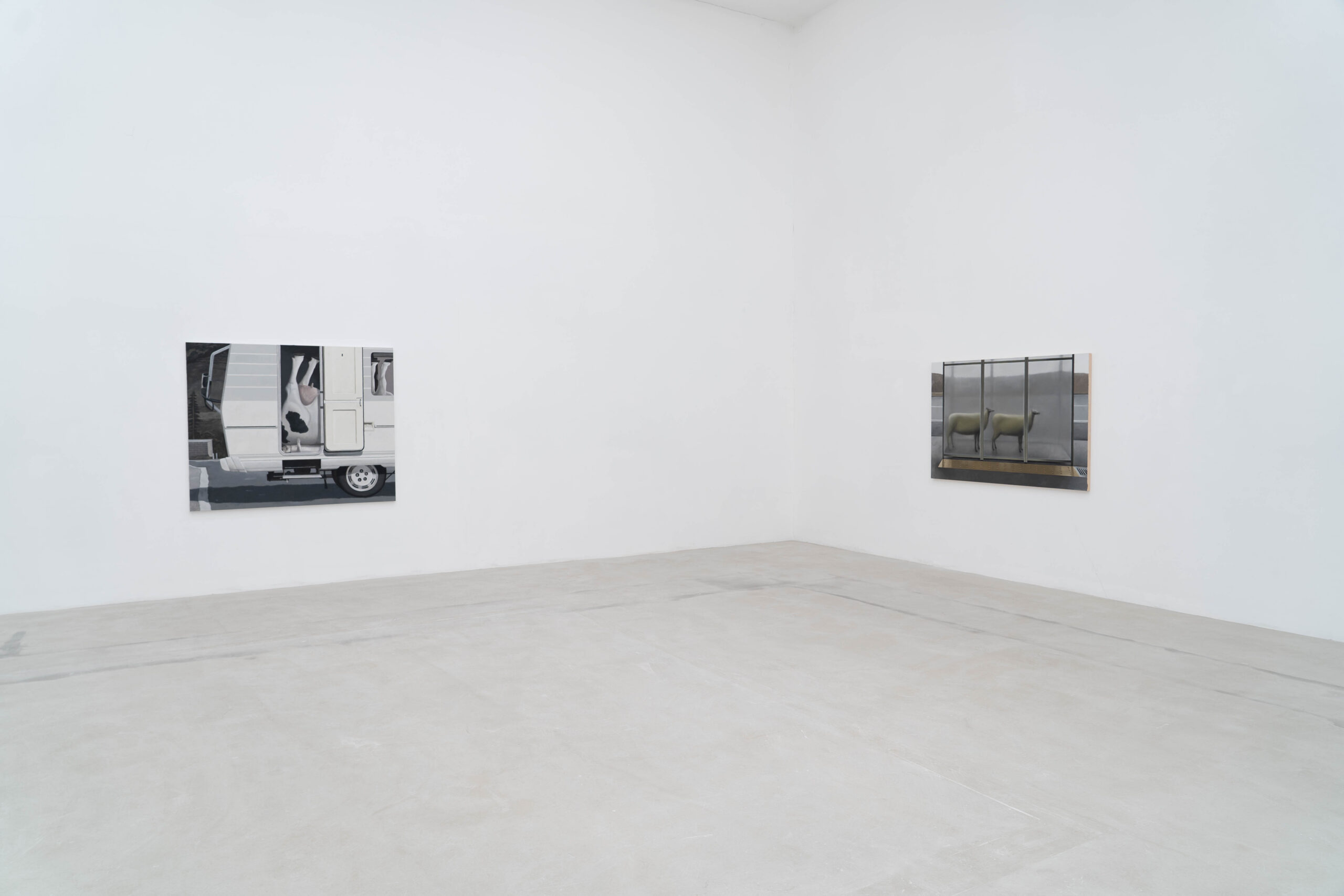
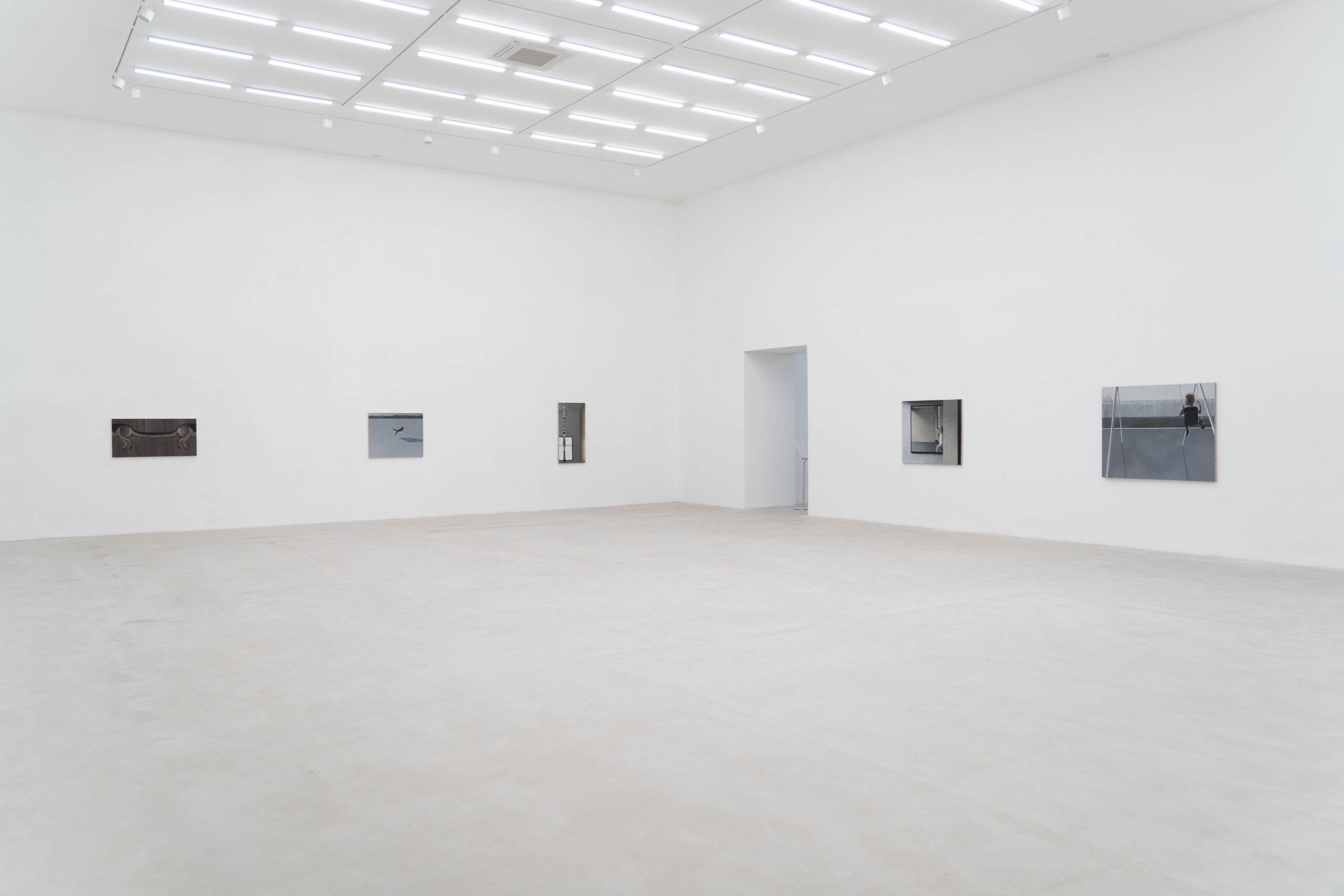
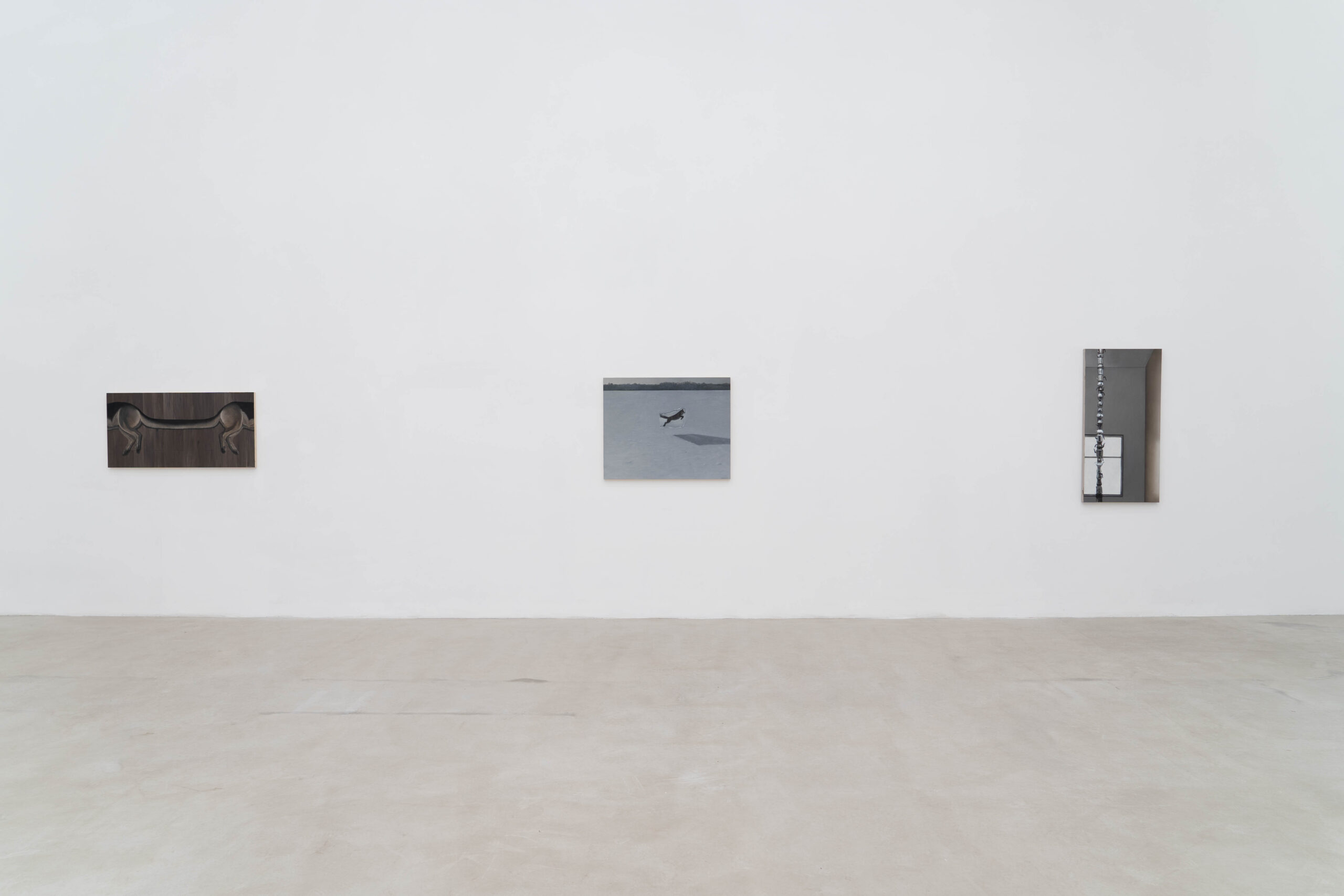
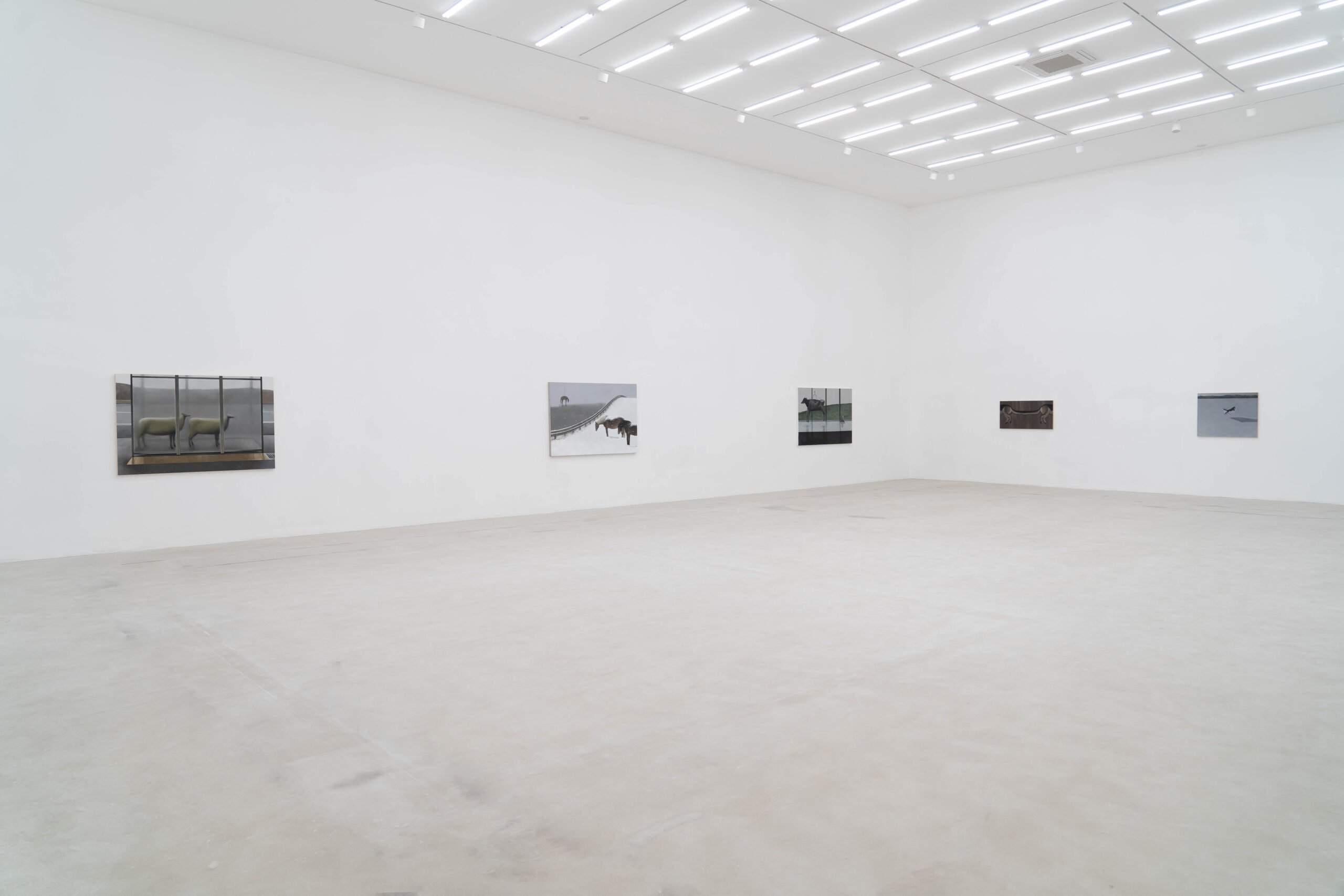
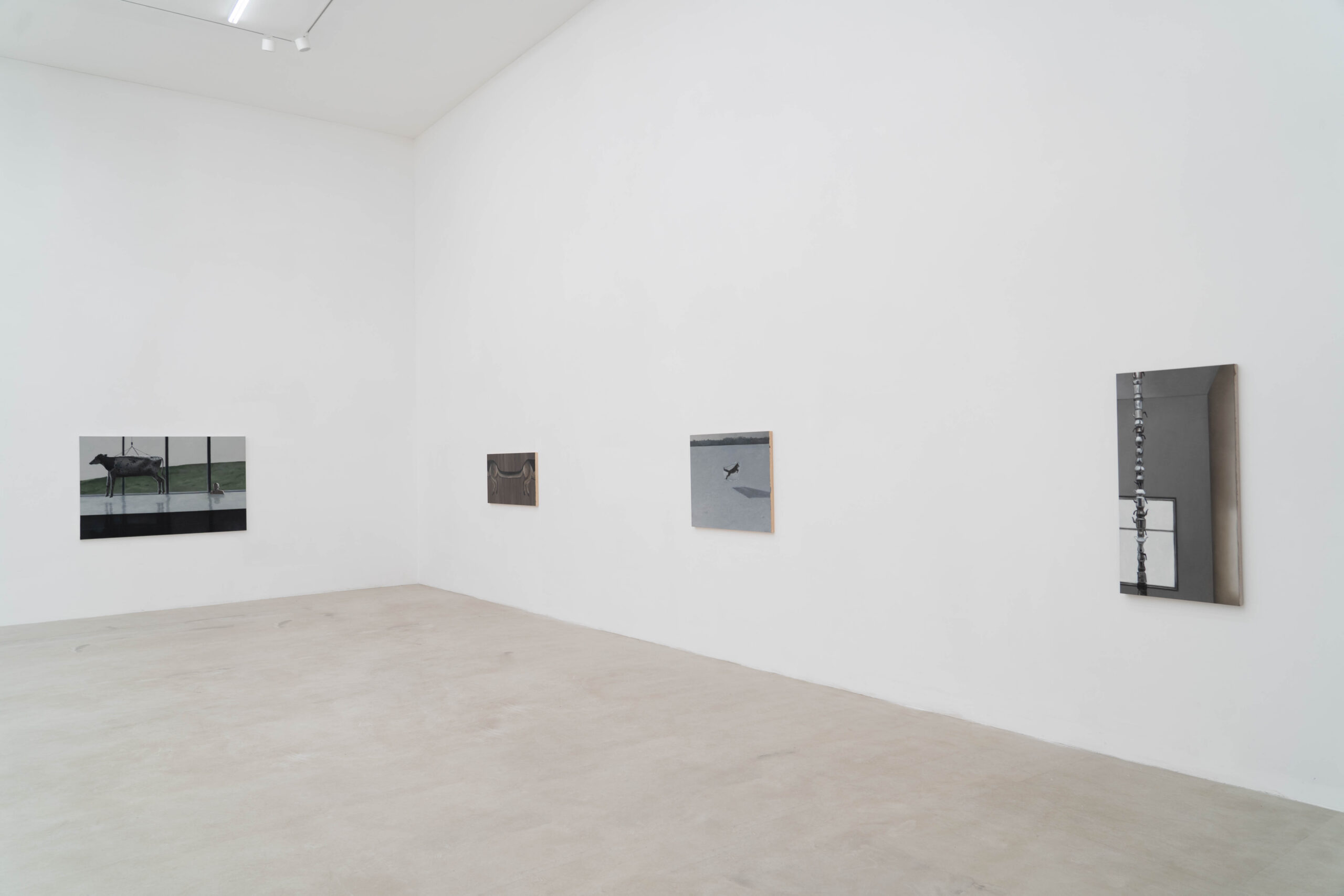
The exhibition features more than ten works from the artist’s recent series, marking the artist’s first solo collaboration with Keyi Gallery. The title “Already There” gestures toward a state of existence that requires no external validation. Taking this as its core concept, the exhibition suggests “surrealism” as a mode of thinking rather than an aesthetic categorization, questioning the assumptions behind how we perceive things and exploring the tension between images and reality.
“When reality is subtly displaced, suspended, or rearranged, we become aware that reality itself is not stable, but rather an experience continuously reconstructed through acts of interpretation.”
The scene seems to be composed and restrained in Wei Minghui’s works — governed by a sense of orderliness — yet something always feels subtly off, as though certain elements have been carefully “adjusted”, produced by a gentle and imperceptible shift. This kind of subtle dislocation embodies the artist’s sustained effort to “rearrange reality,” enacting our suspension of the norm. His depiction simultaneously indicates a non-logical narrative and a concrete resistance to classification.[1] Vessels stacked infinitely forming a vertical axis; a cow suspended above a swimming pool; “cloned” cats running on top of a Gothic bed placed in the same setting as human figures — our expectations of ordinary elements are systematically rearranged. Within the composition, as inexplicable details remain, our observations are almost transformed into a perceptible quirk [2], prompting us to question the standards that shaped how we see.
The core concept of Wei’s practice traces back to René Magritte’s La Trahison des Images (The Treachery of Images, 1929), pointing out the gap between image and the reality.[3] Wei Minghui, however, does not rest at the exploration of Magritte’s logical paradox. Instead, he tries to draw from it a further proposition — “This is a pipe” — reconsidering the relationship between image and reality and forming a renewed dialectical statement. It implies that, within a world continuously shaped by language, concepts, and personal experience, the image no longer stands in opposition to reality; rather, it becomes one of the essential elements through which reality comes to be
In doing so, Wei attempts to bring his practice back to a state of unadorned intuition — consciously stripping away the extreme fantasy and dramatic tension that characterized his earlier works, and instead embedding subtle displacements within a restrained language, so that the narrative is preserved even after the “visual wonders” have been removed. If “this is not a pipe” reveals the fictive nature of the image, then “this is a pipe” constitutes a reaffirmation of the mechanism by which reality is produced: the image is no longer merely a betrayal of reality — it is already there, and the act of acknowledging its existence is a natural generation of meaning.
[1]André Breton, Manifeste du Surréalisme (The Surrealist Manifesto), 1924. The concept of “resistance to categorization” is drawn from the original text: “If in a cluster of grapes there are no two alike, why do you want me to describe this grape by the other, by all the others, why do you want me to make a palatable grape? Our brains are dulled by the incurable mania of wanting to make the unknown known, classifiable. The desire to analyze has gotten the upper hand over feeling.”
[2] “quirk” here refers to what Breton identifies as the “classification obsession” or “classification complex” embedded in human visual habit.
[3] In René Magritte’s La Trahison des Image, the image of a pipe is undercut by the inscription “Ceci n’est pas une pipe” (“This is not a pipe”) — exposing the gap between representation and reality.
SELECTED WORKS

Wei Minghui
Unstable Conjecture

Wei Minghui
Situation

Wei Minghui
Swimming Pool Fantasy

Wei Minghui
Homage to Cattelan, Situation in Reality

Wei Minghui
The Child on the Swing

Wei Minghui
Passing by the Bathroom(Group)

Wei Minghui
Car by the Street

Wei Minghui
Fox in the Snow

Wei Minghui