

PDF
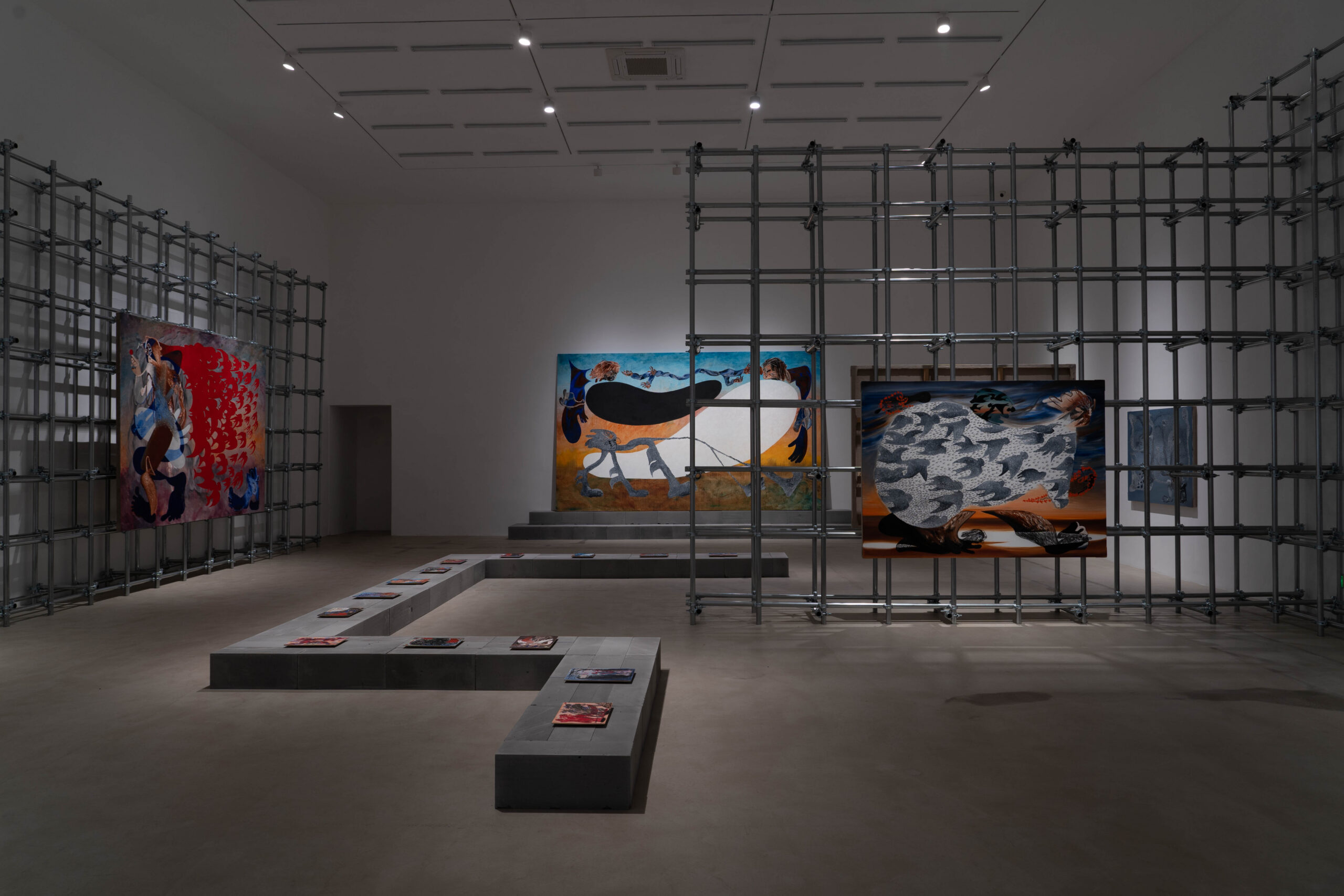
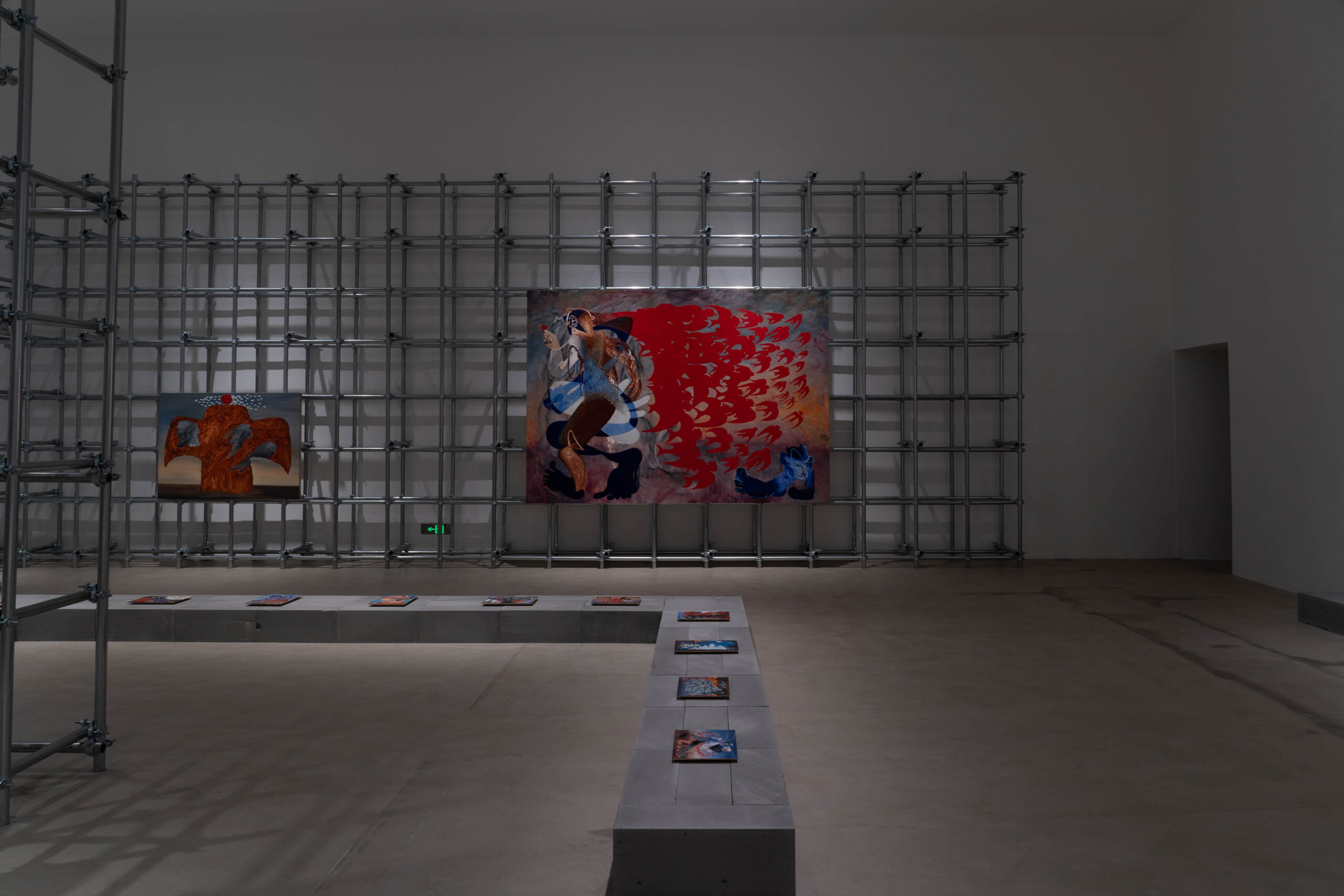
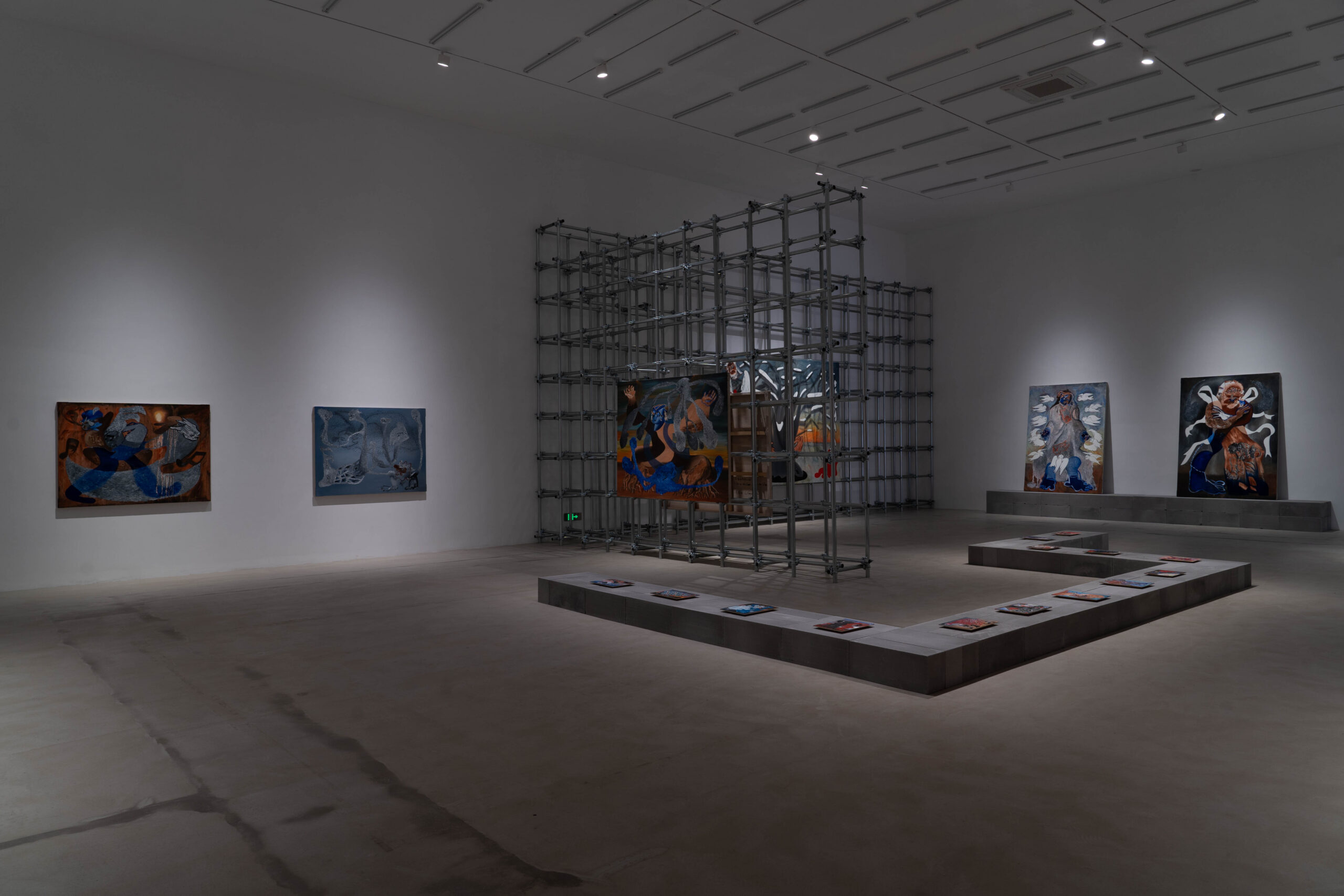
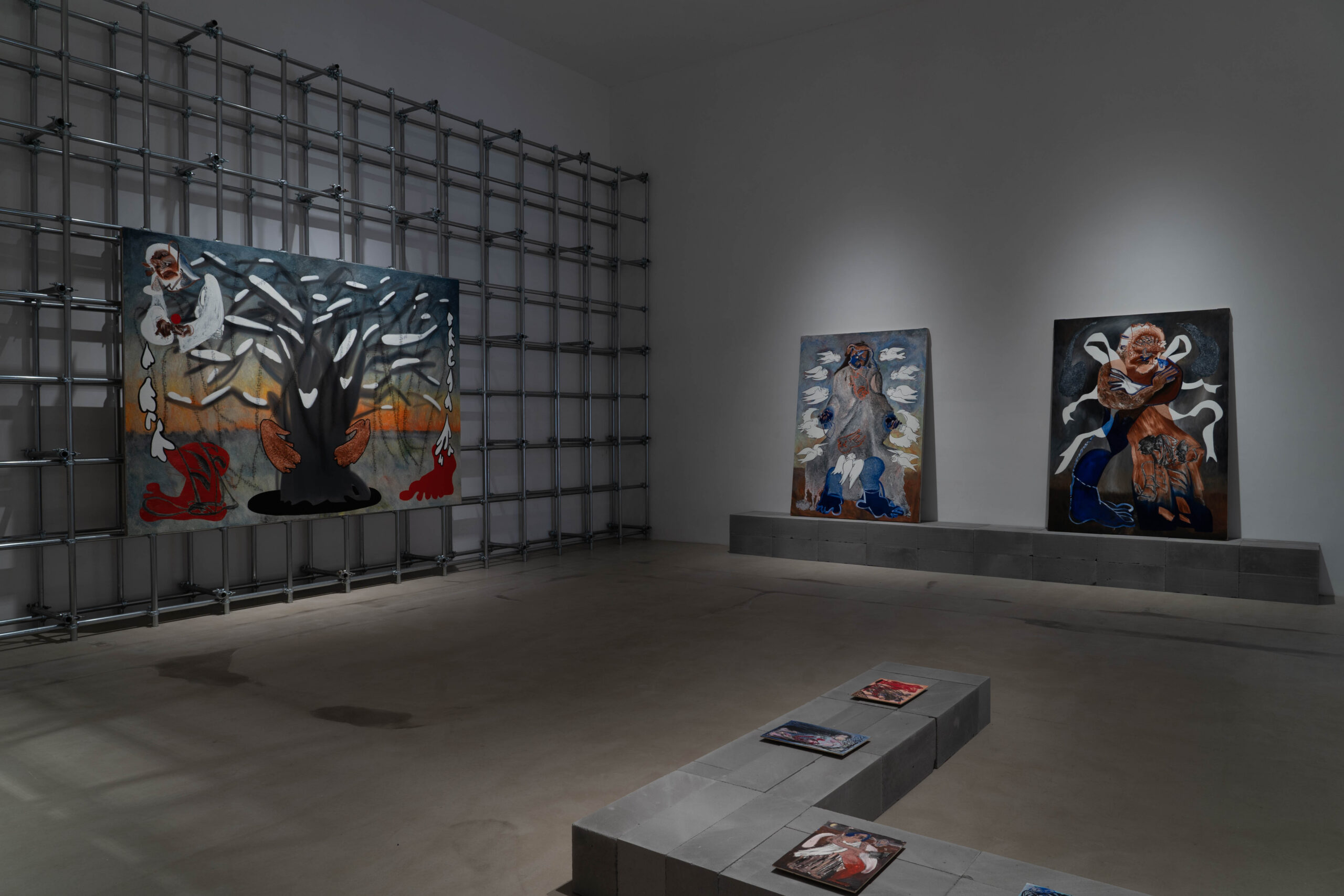
This exhibition marks the artist’s collaboration with Keyi Gallery, following Echo Hall and Paean. It presents over ten newly created works and sketches.
Peter and Zilu
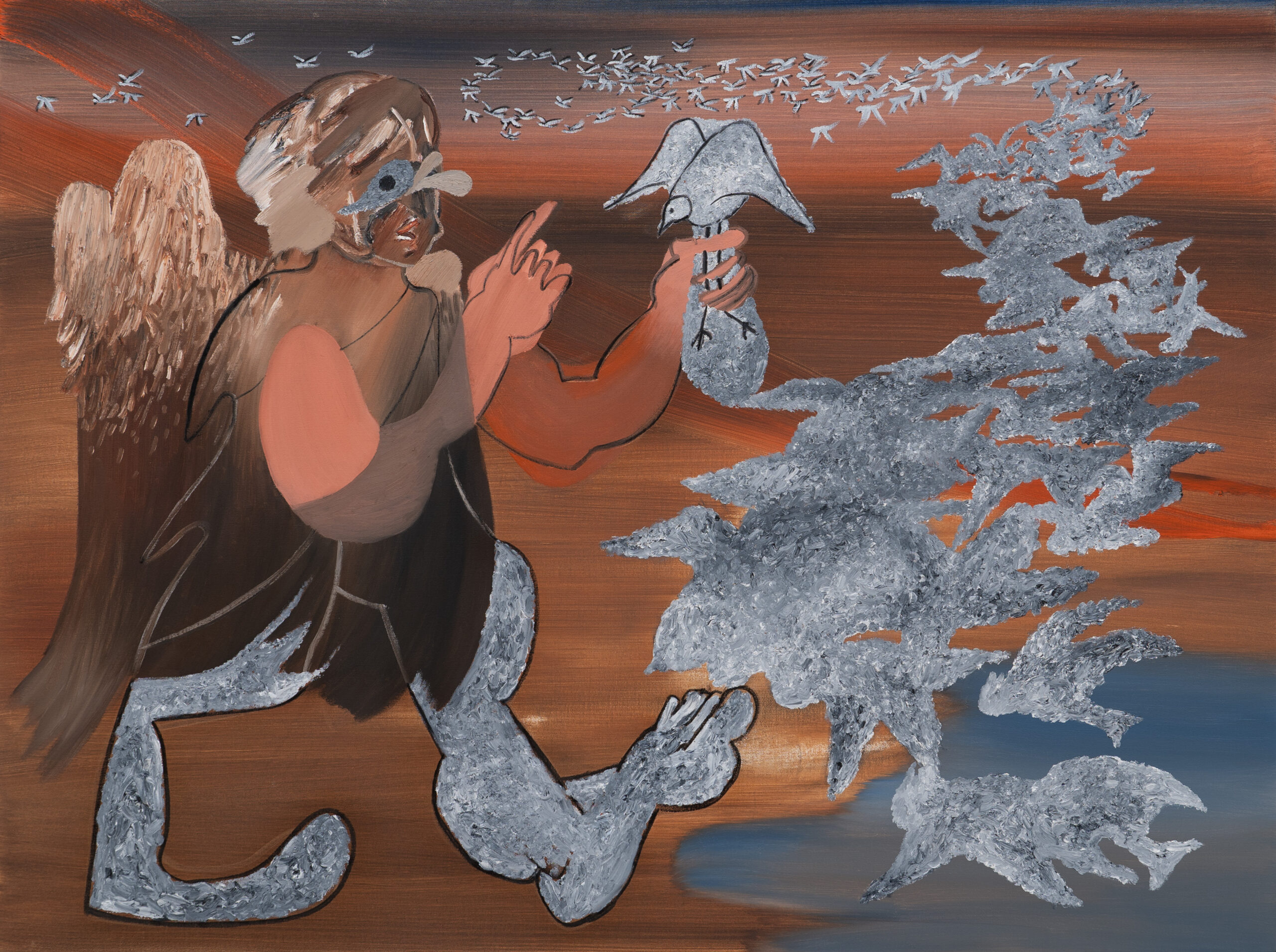
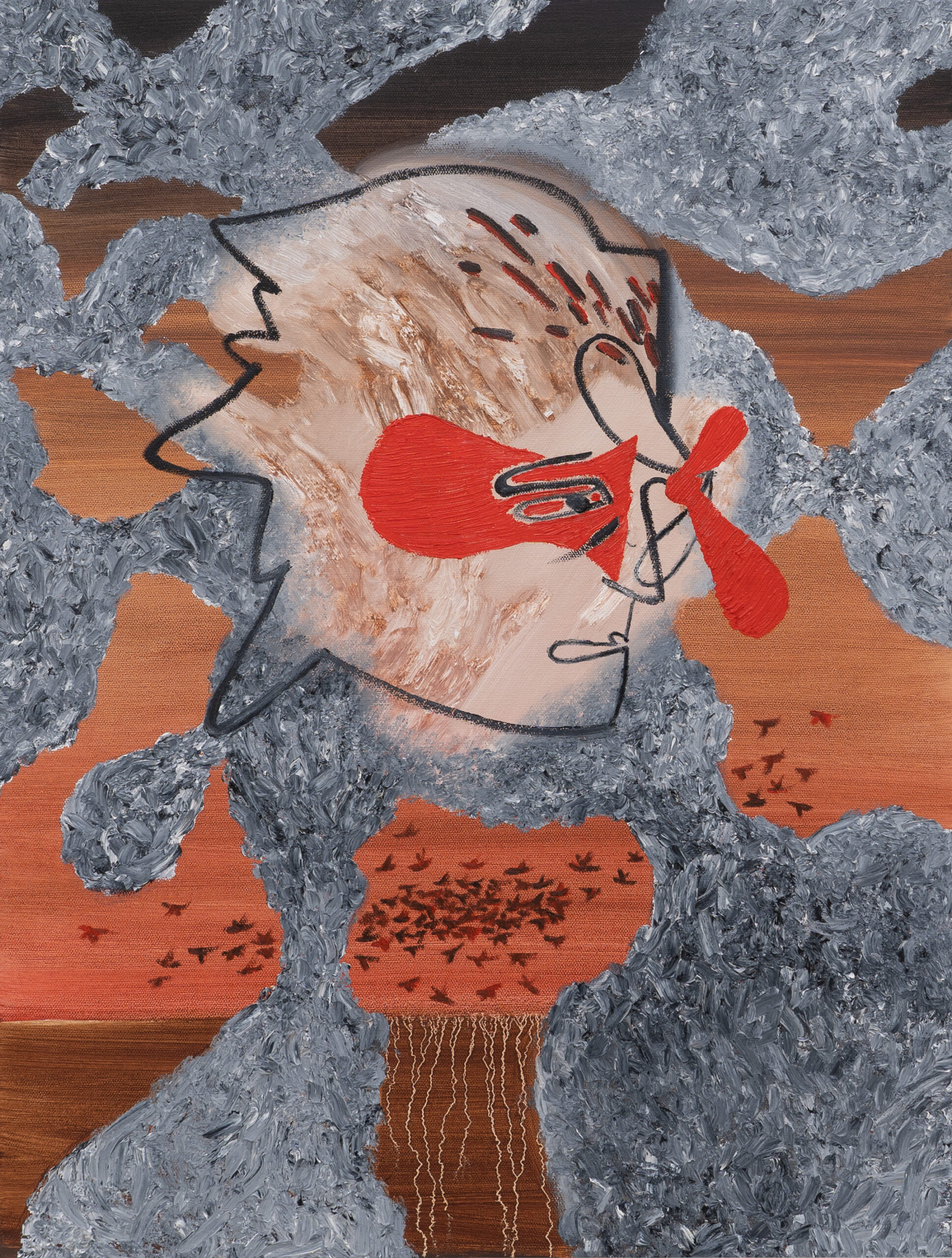
Li Guanshuai’s paintings can be transformed as the visualization of a personality type: Peter and Zilu. This is not, in the first instance, a pictorial reproduction in any thematic sense — though the robes of apostles appear in his canvases, there are no ceremonial crowns of the The Spring and Autumn and Warring States periods — Peter and Zilu are invoked here as archetypes of a certain character, a texture belonging to the age of formation. They are both of that order of original believers: rough and unpolished, blunt-edged; brave and impulsive, prone to error, without a trace of slickness — and yet always seeming never quite to “get it” — while inwardly more steadfast than anyone else. This is precisely the inner character of Li Guanshuai’s artistic language.
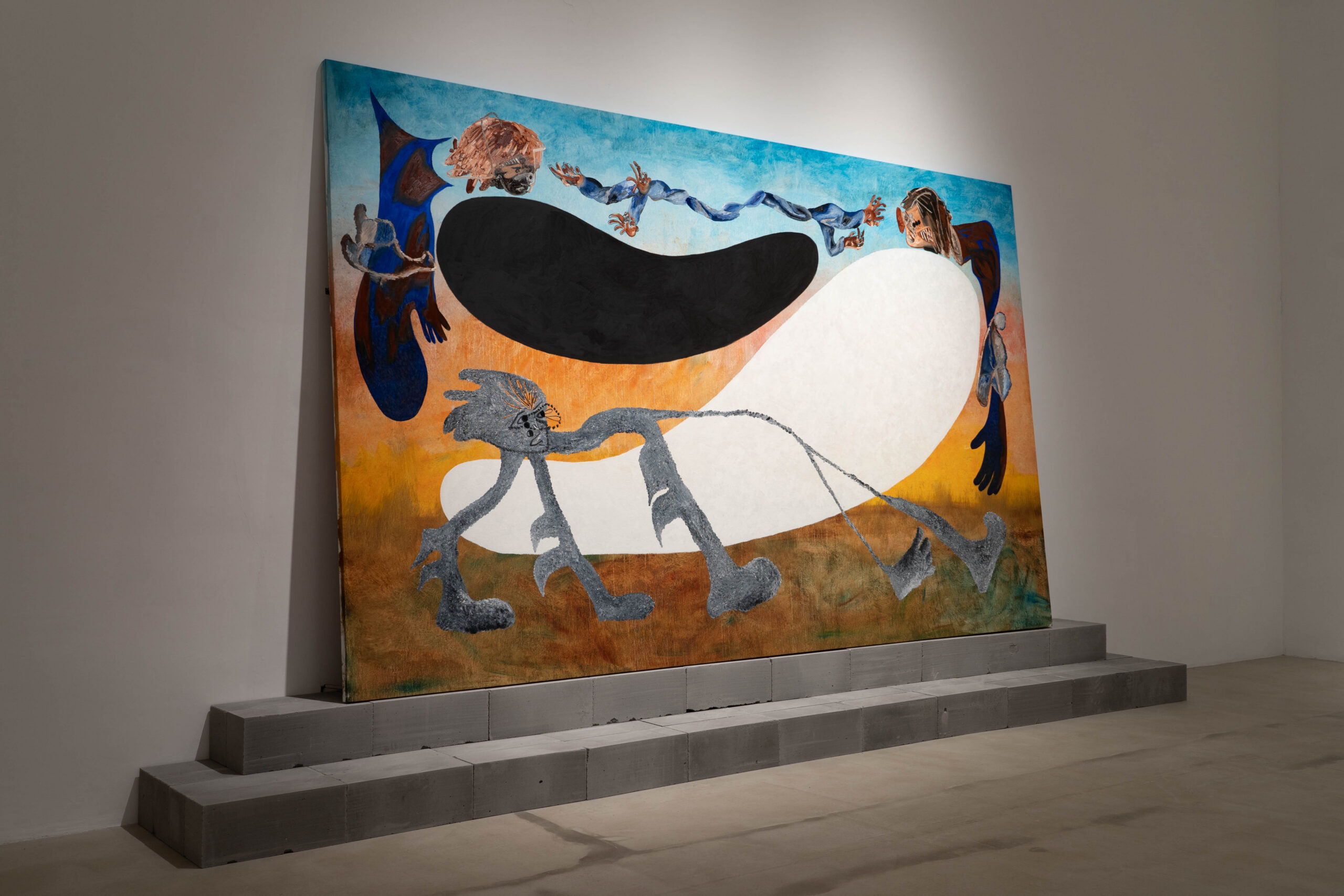
Li’s paintings do not follow the logic of our gaze. They neither simulate the world nor replicate visual appearance. His pictorial structure is articulate, jointed like language — unentangled, unambiguous, refusing any form of gliding visual pleasure. This is a statement about meaning, even an assertion of it. The painting is what is said; what is said is what is declared. It demands that the viewer stop and stand before a weighty, resistant material presence — this is not the kind of painting that trembles faintly on the retina and then disappears.
This quality of painterly language is surely rooted in his professional background in printmaking. Printmaking is the art of “hard language”: the blade cuts into the woodblock irreversibly; between black and white, that boundary admits no negotiation. Li Guanshuai has transplanted this genetic inheritance wholesale into oil, acrylic, and charcoal — and rather than reconciling the conflicts among these media, he lets them collide more fiercely: the light-absorbing black of charcoal, the viscous luminosity of oil paint, thin-scraped and slashing brushstrokes, deliberately constructed blocks of color…
What governs these conflicts is not some form of reconciliation, but a more fundamental order: roughness. Within the order of roughness, the dryness of charcoal, the richness of oil, the obstinate flatness of acrylic, the bare plainness of raw canvas — none is more direct, more ragged than the rest. Coarseness is their shared texture, the common ground on which they are able to coexist. This is a unity capable of containing conflict.
They point toward a primal aesthetic. Primal — not in the temporal sense of antiquity, but in the sense of an originary state: before art was domesticated by academic convention, before it was buffed smooth by fashionable taste, before it was absorbed into any system of refinement. The drive with which human beings first painted on rock walls: carrying the urgency of survival. Not graceful, and certainly not exquisite, but possessed of something that art — endlessly processed and reworked over time — has long since forfeited: surging vitality, and a direct confrontation with existence. Li Guanshuai’s canvases retain a conspicuous sense of the unfinished: a brushstroke stops midway, the canvas weave is left exposed, underdrawing lines are not covered over, forms and colors meet in hard cuts with no transition whatsoever. This is not technical incompleteness, but a deliberate preservation of that originary state.
Li Guanshuai’s paintings are also allegorical. He does not paint narrative; he does not paint incident. He paints only a state: a hand reaching out, undecided between grasping and releasing; a body tilted, undecided between kneeling and falling; a figure suspended between stillness and awakening. He withholds resolution and freezes the gesture. His forms are distilled, with no attention to incidental detail — and this distillation is precisely what opens space for the symbolic. Those figures exist somewhere between a specific individual and a universal archetype: they could be Peter, or they could be Zilu, or they could be any original believer struggling within the grip of conviction.
This is a kind of painting driven by willpower. By willpower, it does not mean the canvas is merely filled with a sense of physical strength, but rather that every brushstroke is a decisive act—without hesitation, without embellishment, and without looking back. Once the charcoal scrapes across, it is done; once the paint is piled on, it stays. What is left empty remains empty, and what is chaotic remains chaotic. This decisiveness is not recklessness, but a deliberate rejection of “over-refinement.” Over-refinement is the antithesis of willpower. By polishing a canvas until it is flawless, one essentially polishes away all of its vitality. Flaws are the traces of the will, because only living things possess flaws. Li Guanshuai preserves the clashing materials, retains the unfinished edges, and keeps every untamable trace on the canvas, allowing the painting to become a resistant material presence that directly confronts the viewers.
SELECTED WORKS

Li Guanshuai
Dance of the Divine
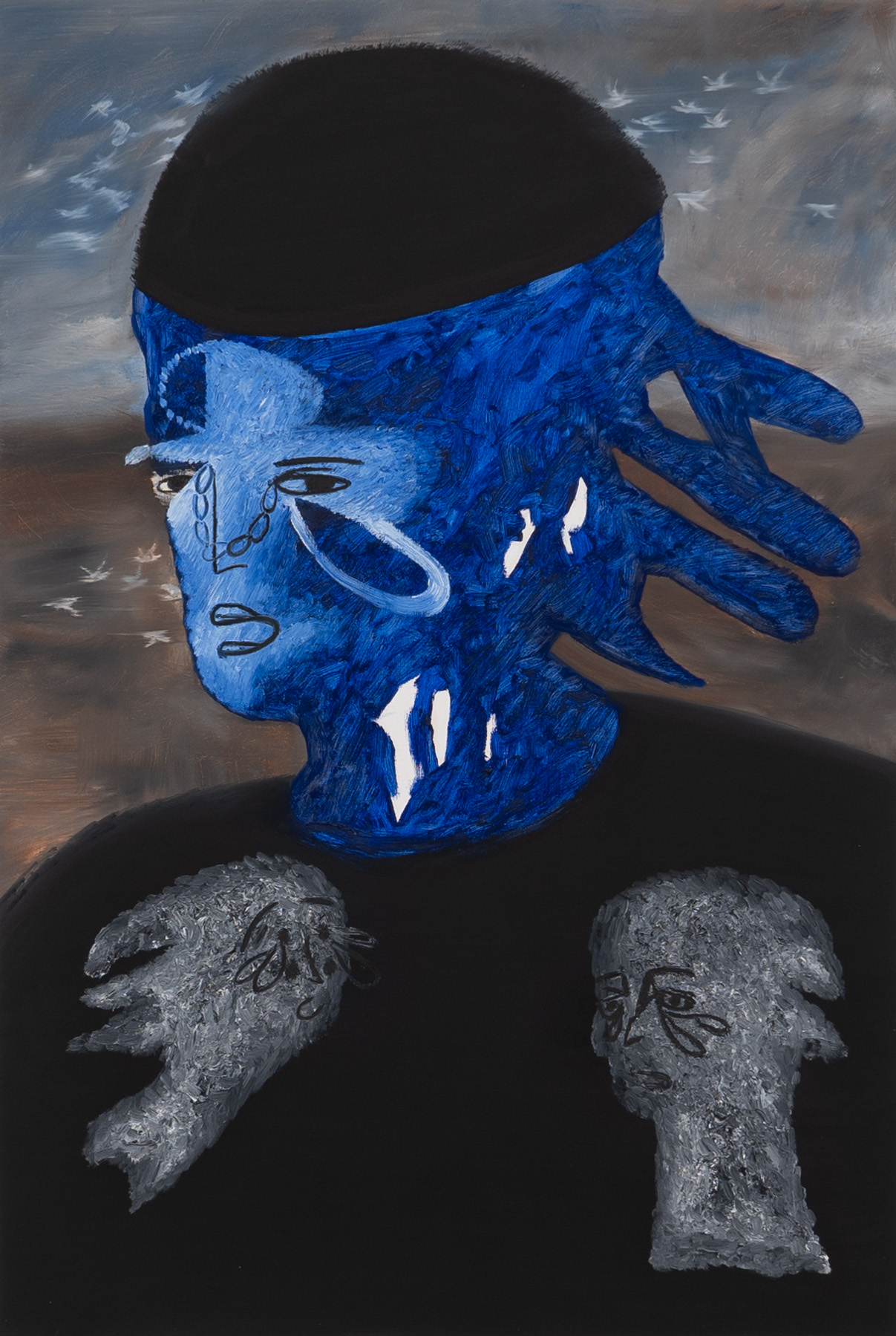
Li Guanshuai
Alyosha

Li Guanshuai
As Far as the East is from the West
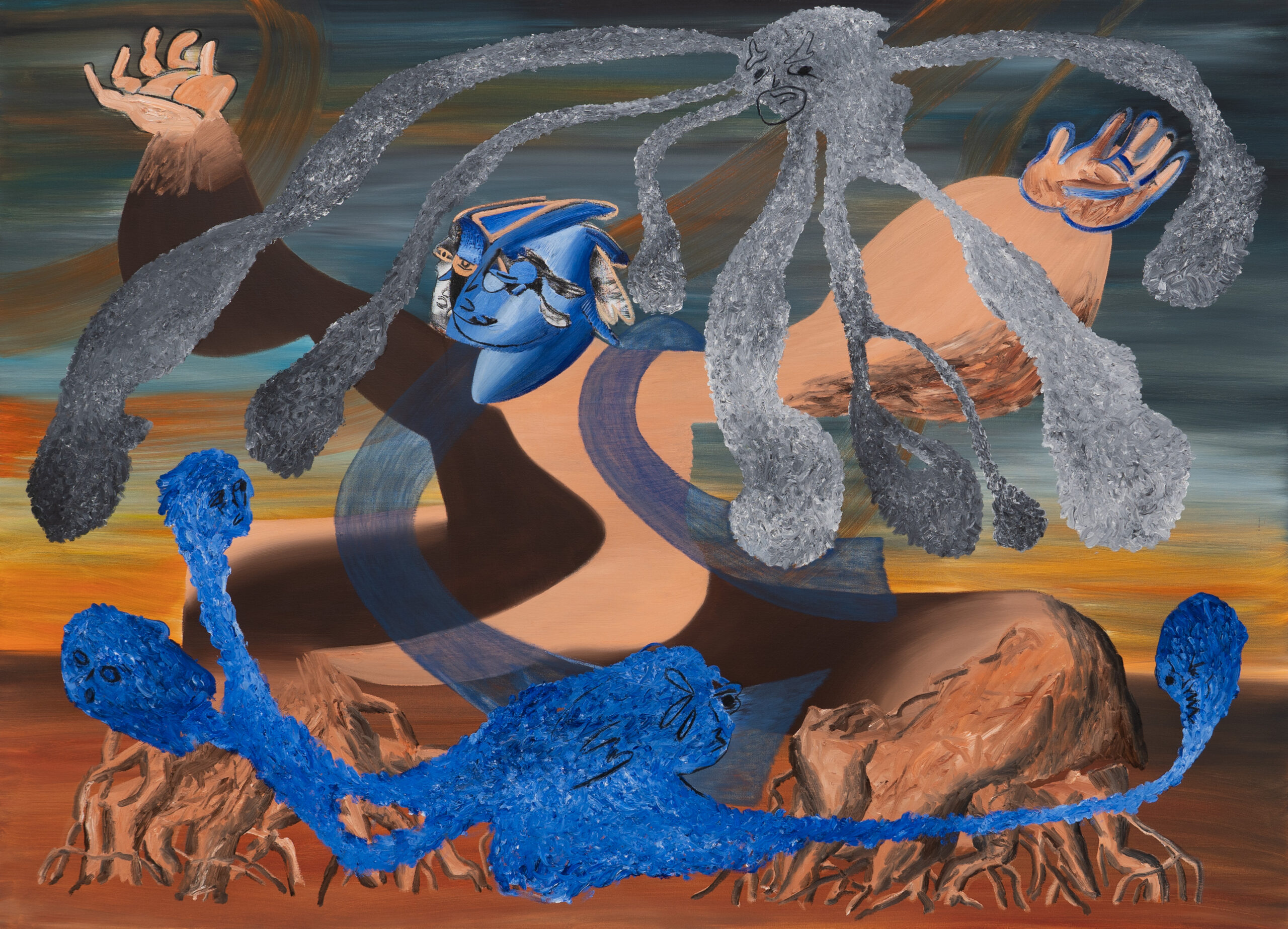
Li Guanshuai
Confronted Devotion

Li Guanshuai
Silhouette of a Wandering Bird
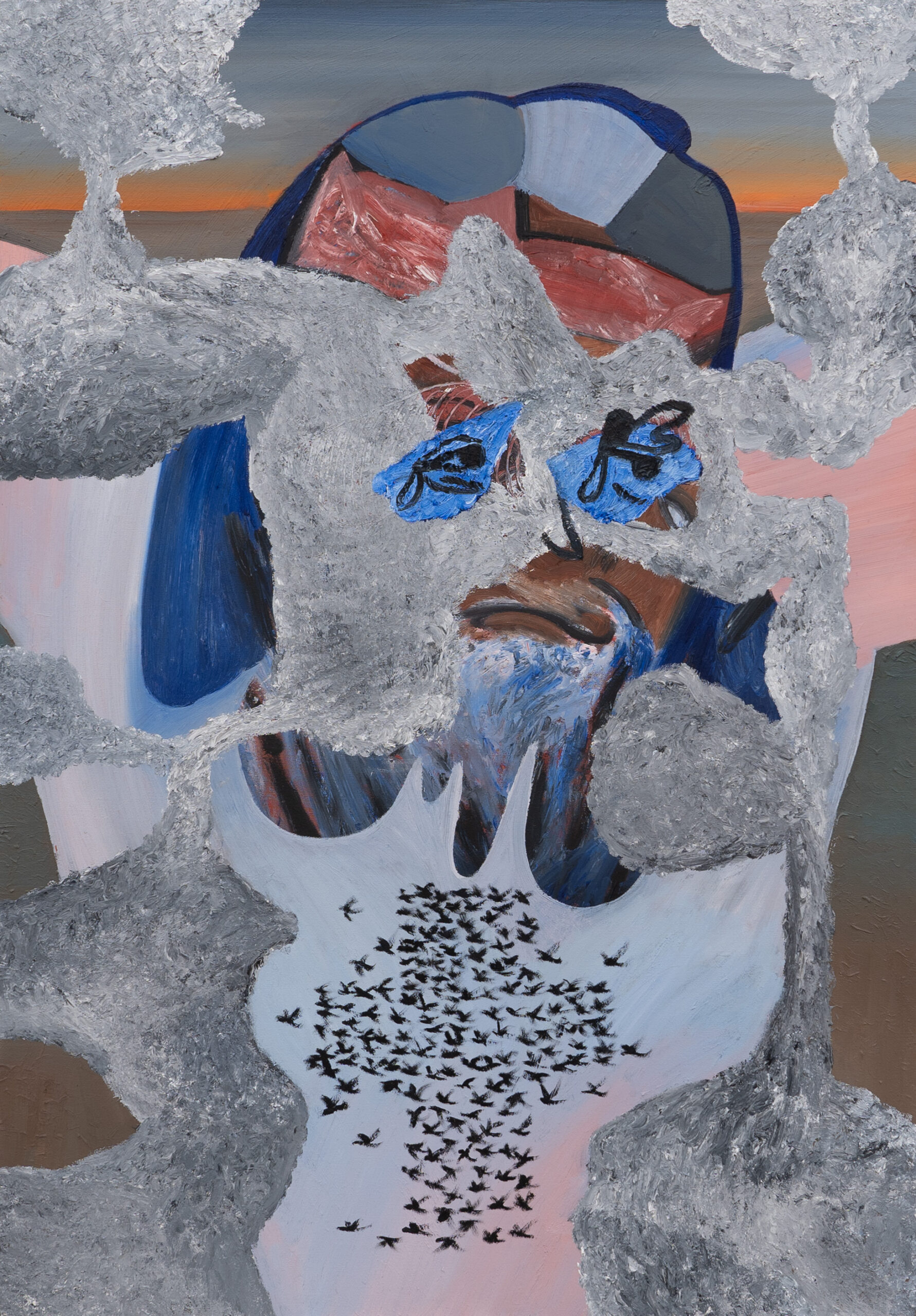
Li Guanshuai
Overflow

Li Guanshuai
Willow in Blessed Snow

Li Guanshuai
Portarit of the Creator

Li Guanshuai
The Splendor of the Promise
Li Guanshuai
Communal Baptism
Li Guanshuai