

PDF
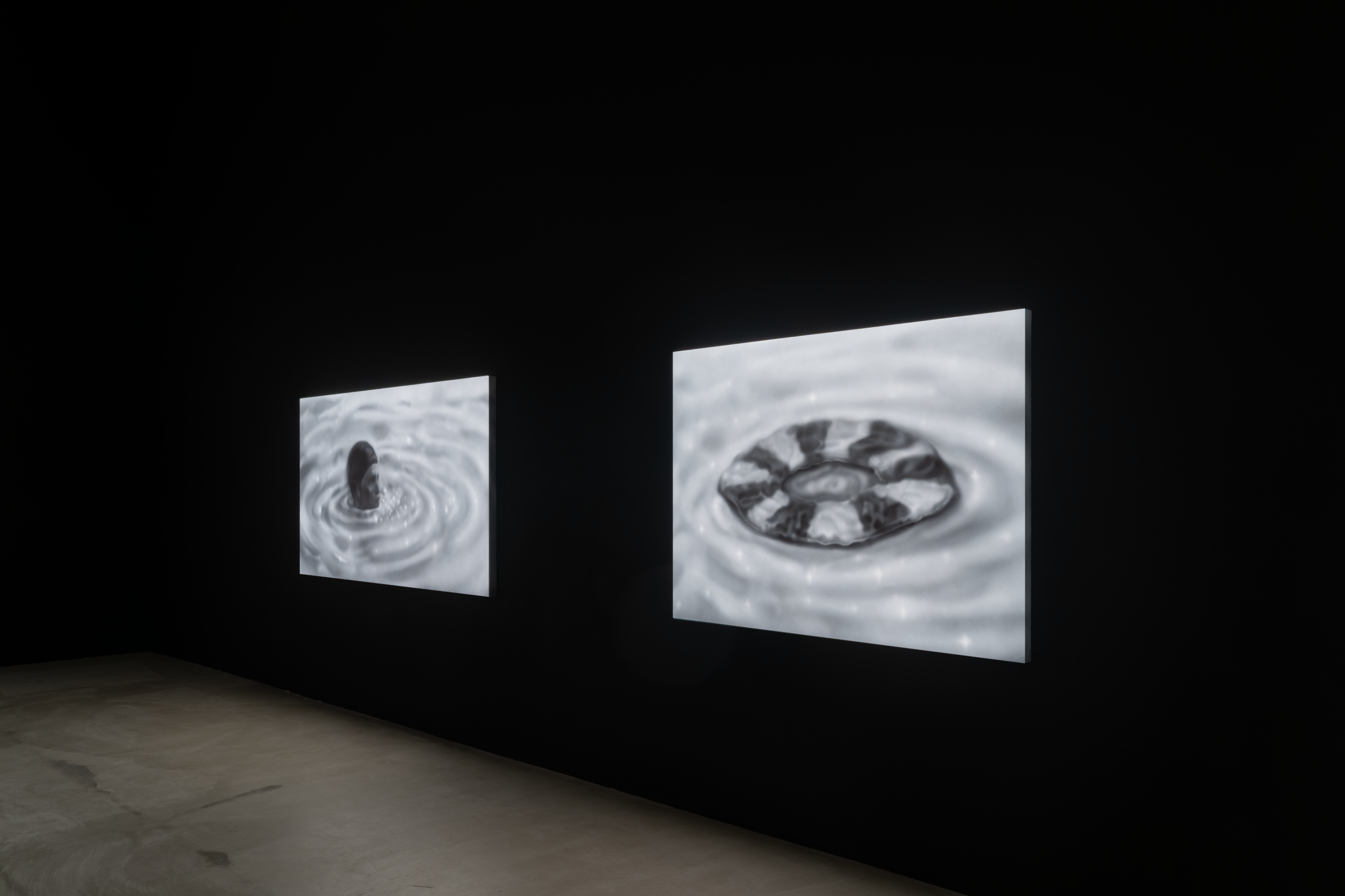
Building upon the themes explored in the artist’s two previous solo shows, Return to the Night and Ridiculous Nostalgia, this exhibition delves deeper into the collective psychological states, emotional experiences, and spiritual conditions arising from shifts in the times and changes from the reality.
Silence is not emptiness. Silence is the suspended state of language—the words have already arrived, at the throat, on the tip of the tongue, having completed a full syntactic organisation in the chest, and then stopped. Not spoken, not vanished. They remain in an intermediate zone that is neither expression nor erasure. Zhang Wenqiang’s images dwell in this zone.
I
The contemporary society demands of the individual an uninterrupted output of expression and self-presentation. The continuous posting on social media, the self-optimisation in the workplace, the emotional management in daily social interactions—all point in the same direction: you must be legible, classifiable, verifiable. This is a never-ending system of sign production, in which the individual’s “interiority” is constantly requisitioned but never truly reached.
In The Burnout Society, Byung-Chul Han distinguishes between the age of infectious diseases and the age of digestive diseases. The former is external invasion, the latter internal overload. When a person is thrown into a structure where information excess, performance pressure, self-expectation and external expectation are seamlessly welded together, the psychic organ responsible for absorption, transformation and the bestowal of meaning becomes the first to collapse. “Hollow heart” disorder, anxiety, burnout—the common feature of these contemporary symptoms is not “inability to bear” but “inability to digest.” The individual is consumed by their own internal overload, becoming their own exploiter. When “output” is the only recognised action, “input” loses its meaning.
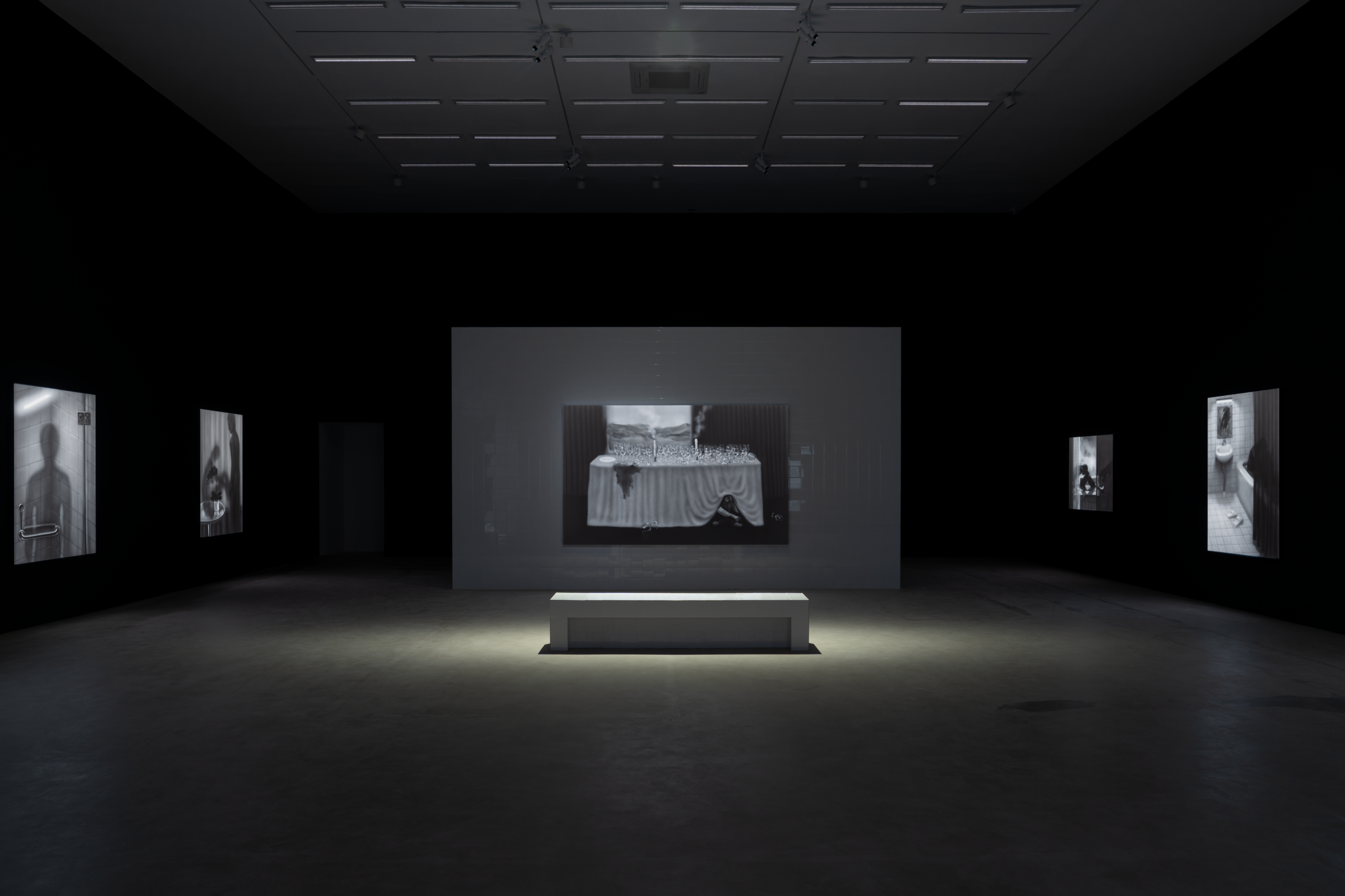
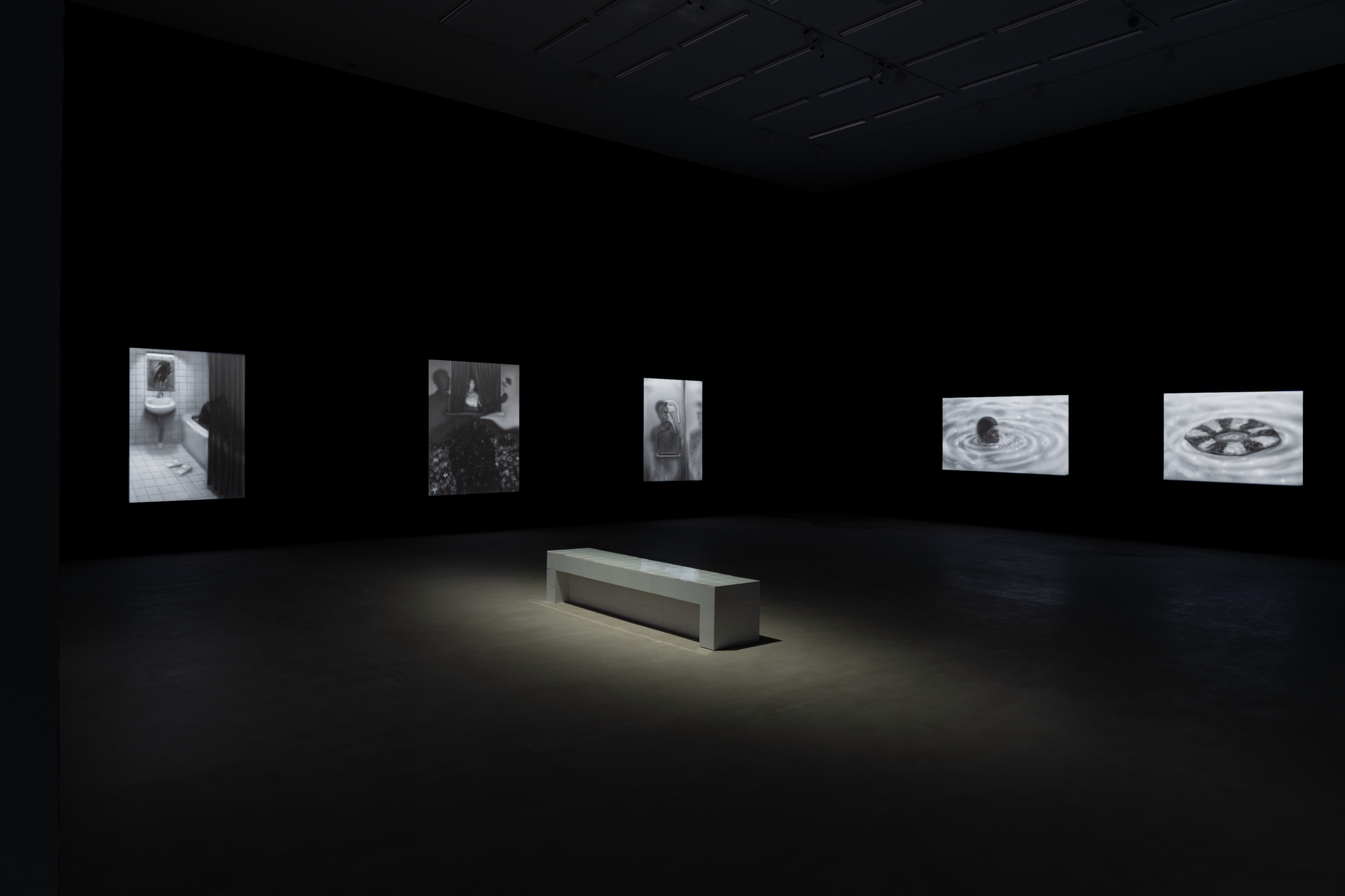
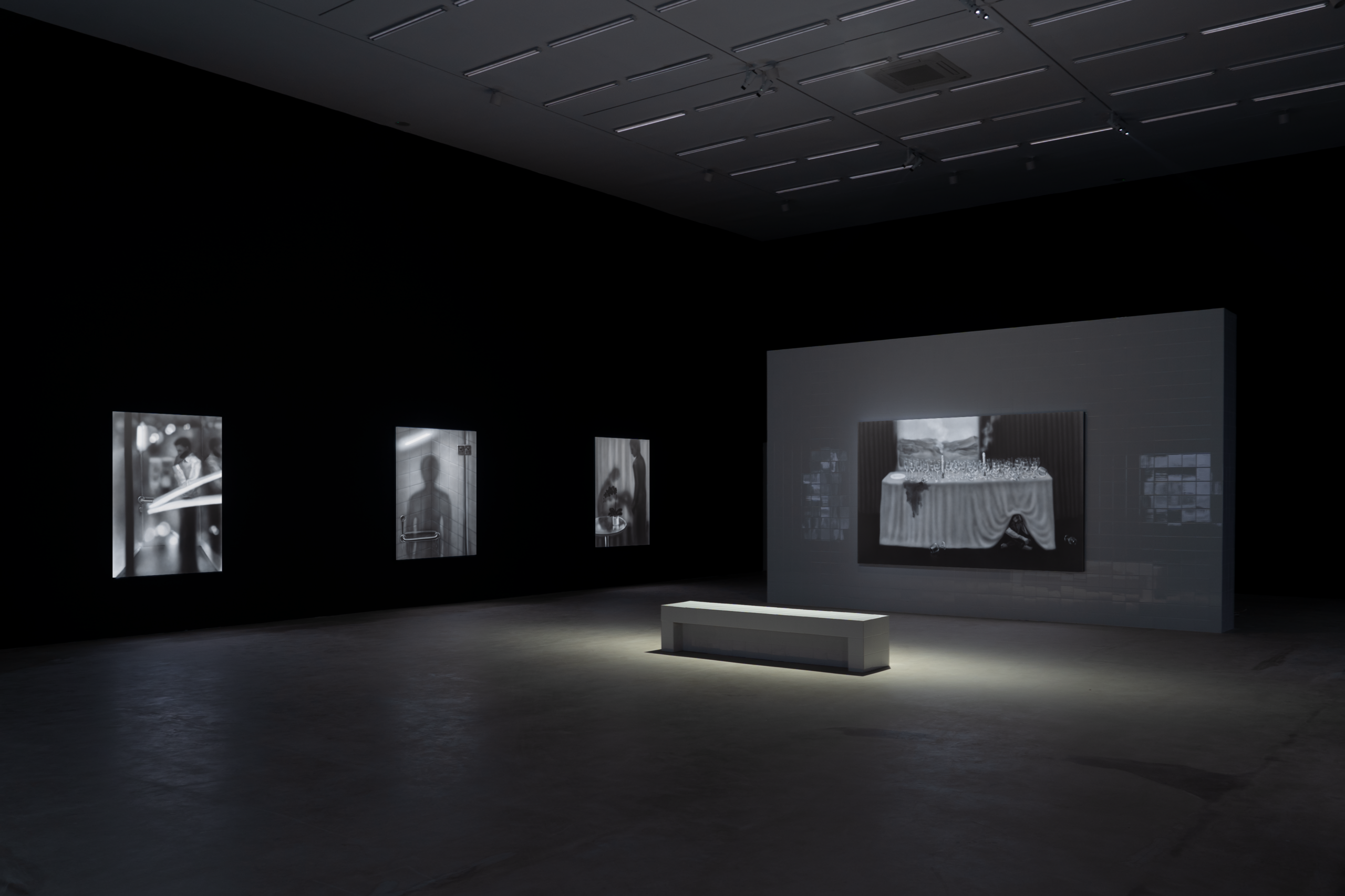
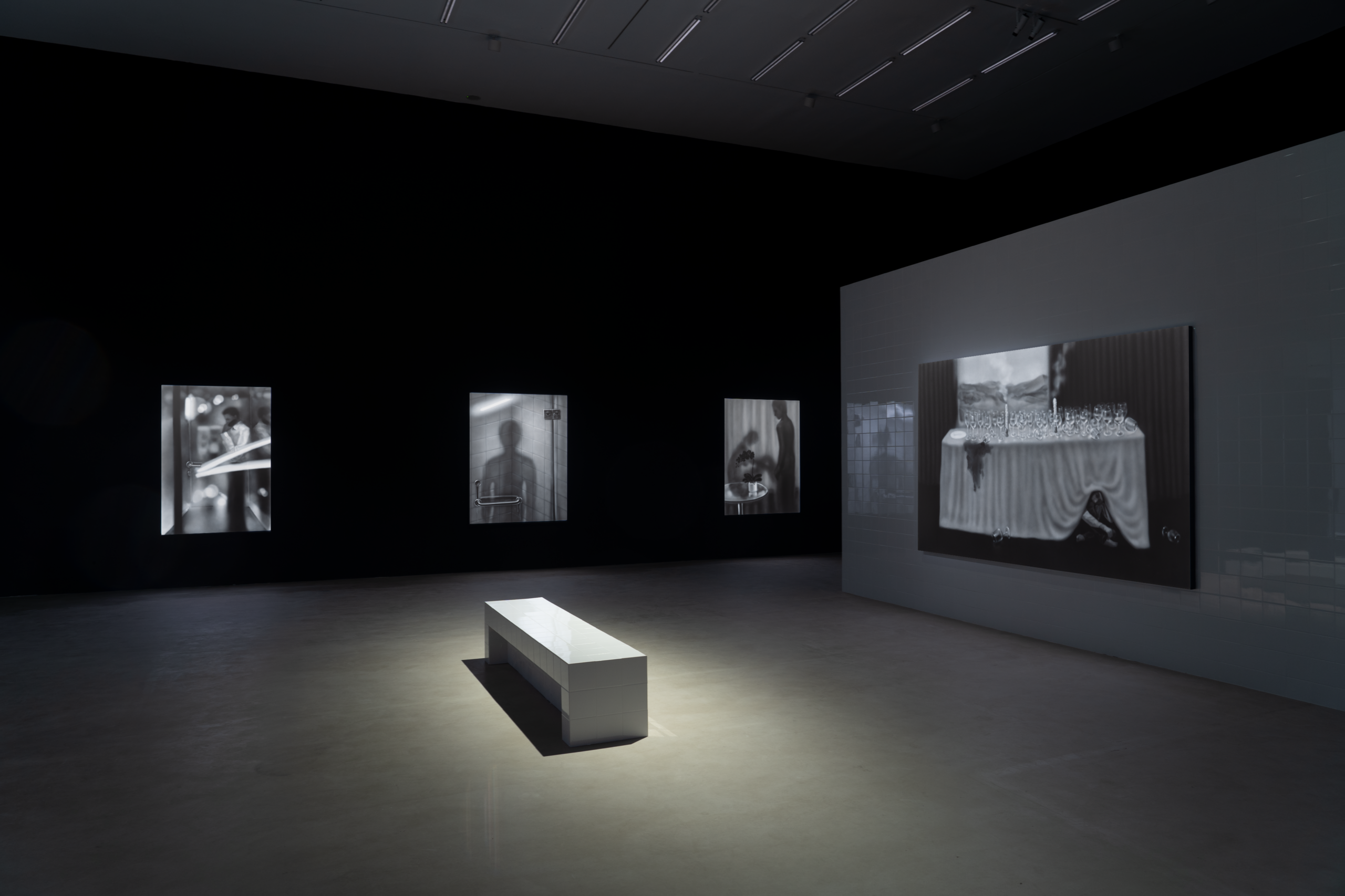
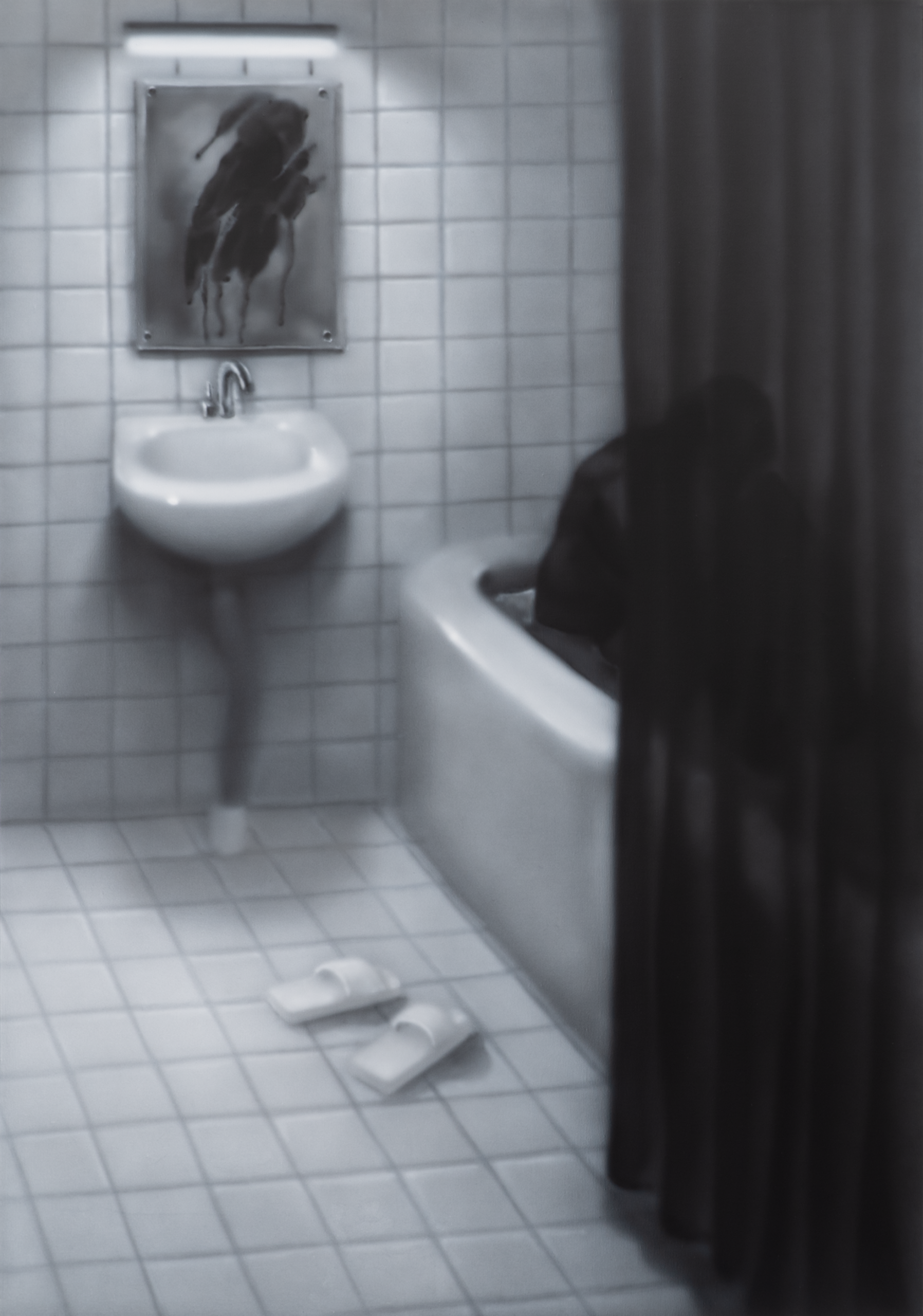
The figures in Zhang Wenqiang’s paintings are not “outputting” anything. They simply stay—sitting in a bathroom, standing in a telephone booth, leaning against a wall in some unmarked room. These postures cannot be classified within the grammar of the performance society; they do not produce, do not express, do not participate. The “silence” of the figures in the paintings first manifests as a refusal of the mechanism of output. When “expression” itself has been alienated into a performance indicator, silence becomes the only uncontaminated territory.
II
These enclosed spaces—the bathroom, the telephone booth, the four-walled room—are the blank spaces of the social system. They are permitted to exist, but are not expected to generate any visible value. The bathroom is the only place in the home where you can be no one: once the door is closed, you no longer need to perform social roles or maintain any social facial expressions. The telephone booth offers a private moment of temporary separation from society; you stand alone, surrounded by transparent glass, visible but unreachable, maintaining a sheltered distance from the outside world.
In anthropology, the concept of “liminality” refers to the transitional state in rituals—you are no longer your former identity, but have not yet entered a new one. The bathroom and the telephone booth provide precisely such liminal moments: social roles are suspended, but new roles have not yet arrived, leaving the individual in an “in-between” state. What Zhang Wenqiang cares about is what happens in this “in-between.” Not the transformation of identity, but the residue that remains after identity is absent.
The vapour in the images corresponds to a state of perception. In The Book of Disquiet, Fernando Pessoa writes: “One can only see one’s face in water, and one must bend down to bow to oneself.” Vapour is another kind of water surface—it does not reflect; it diffuses. When vapour covers the mirror, the self-identification established in what Lacan calls the “mirror stage” begins to loosen. The “I” in the mirror blurs, and you stand before it. You can no longer confirm who you are through reflection, so you begin to perceive yourself in a more archaic way—not through the eyes, but through the boundary of the skin, through the temperature of the breath, through the bodily sensation of vapour clinging to the skin. Zhang Wenqiang’s images present this mode of perception: by stripping away the dimension of colour and using airbrush techniques to dissolve the brushstrokes into the picture, the image no longer provides clear identifying information. He makes vision itself fail, activating instead a viewing that is closer to touch. Those blurred human figures are not “unclear”—they are “not meant to be clearly seen.” Their meaning lies not in recognisable faces, but in the diffuse contours and the feelings they evoke.
III
“The silent room,” therefore, is not a metaphor but a structural statement. It refers both to the specific spaces in the paintings and to the inner scene of the individual engaged in intense psychic activity. These rooms—whether physical or spiritual—are places where the contemporary individual relearns how to perceive their own boundaries. When the external system of signs can no longer provide meaning, when “becoming oneself” has turned into yet another performance target to be fulfilled, the silence of the room offers a state that demands no output. Those figures sitting in the bathroom—you can feel the weight of the air pressing down on them. Those moments of hesitating speech are stretched out to the duration of an entire painting, becoming a refusal of the social injunction of “uninterrupted expression.”
The room is the stomach of the social system. It bears all that cannot be digested—anxiety, loneliness, unspoken language, the self that cannot be placed. There is no exit in the room; everything churns internally. And the static postures of Zhang Wenqiang’s figures indicate that they have not chosen silence; they have been chosen by silence.
When too many people are silent in their respective rooms, these silences form a universal echo. Each room is isolated, but all the silences superimposed together create a resonance that can be felt. The silent room is not only the spaces in Zhang Wenqiang’s paintings, but also the condition of every person who cannot find a place for themselves within the operation of the performance society.
SELECTED WORKS

Zhang Wenqiang
The Room of Silence
Zhang Wenqiang
Moist Monologue

Zhang Wenqiang
Memory is the Fog Within Me

Zhang Wenqiang
I Becoming an Endless Sea 1

Zhang Wenqiang
I Becoming an Endless Sea 2

Zhang Wenqiang
Who Stole the Rose

Zhang Wenqiang