

PDF
So the Platonic Year
Whirls out new right and wrong,
Whirls in the old instead;
All men are dancers and their tread
Goes to the barbarous clangour of a gong.
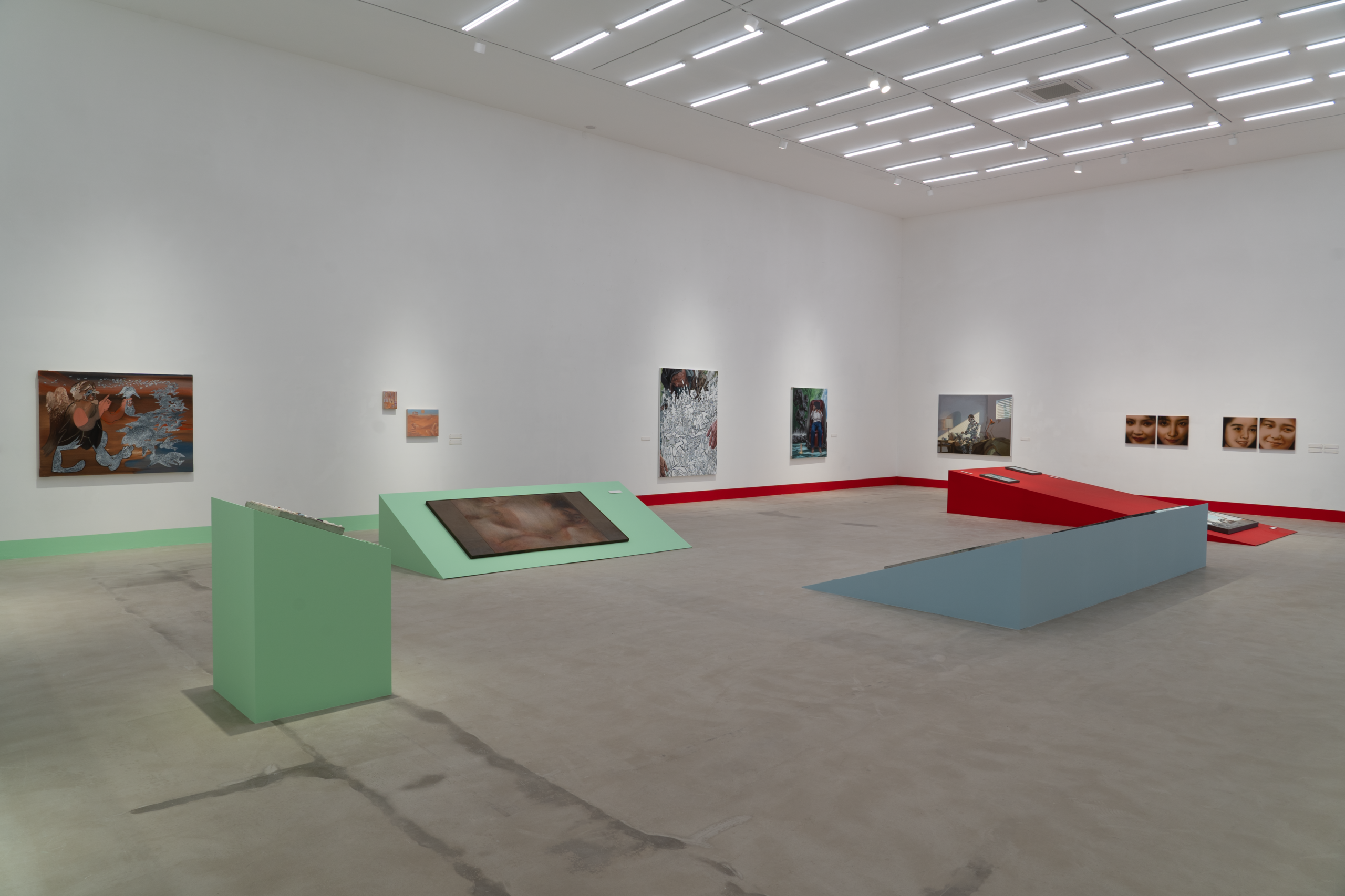
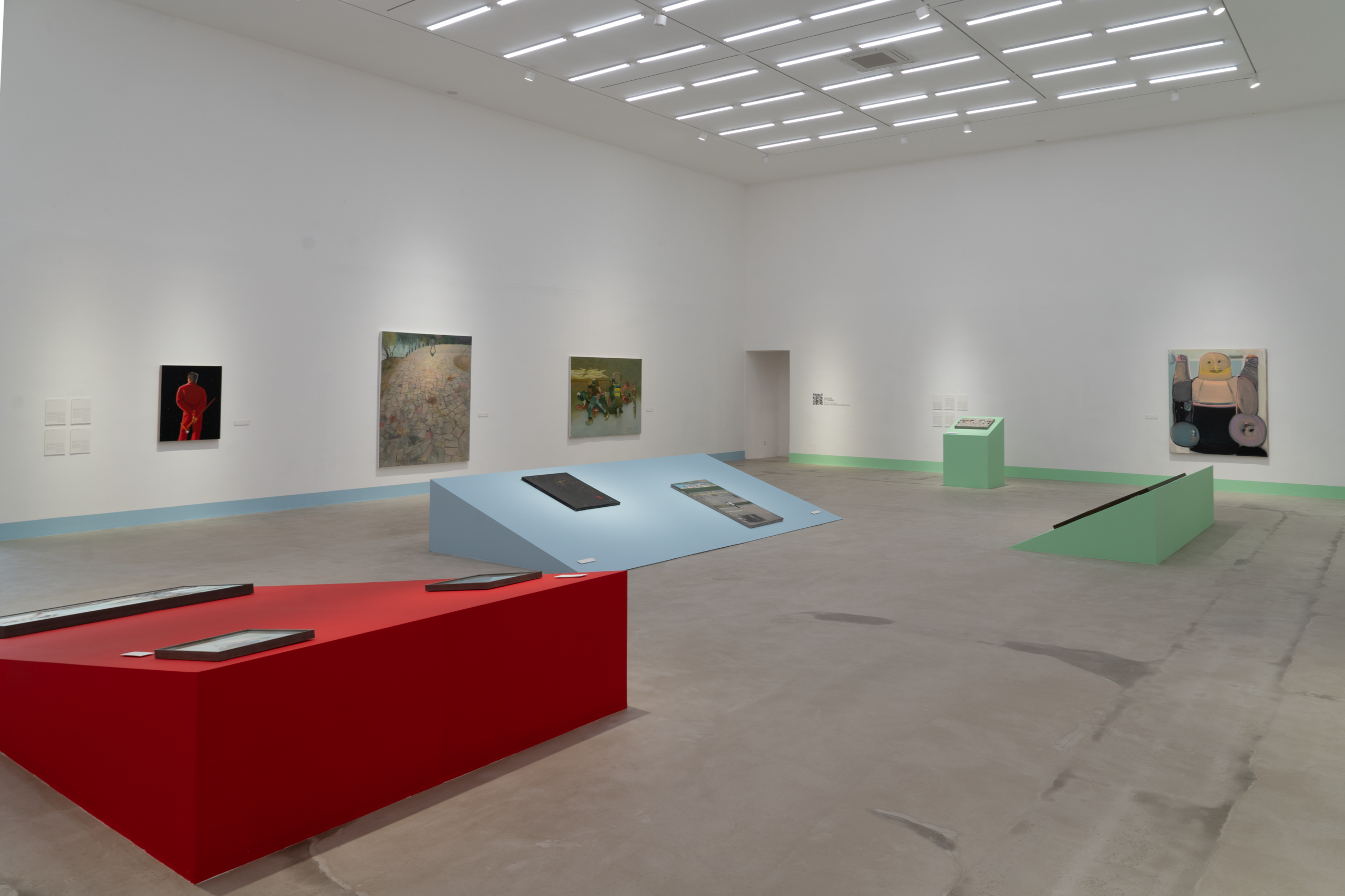
From the re-examination of knowledge structures and historical narratives through “de-Westernization,” to artificial intelligence’s intervention in creative mechanisms; from the ethical imagination stirred by the “artificial human,” to the lingering technological anxiety left by the Millennium Bug crisis, new issues continue to emerge as symptoms of our era. We are living in such a moment of urgency, or rather, we have always been moving forward through the tremors of recurring historical cycles, reborn under the force of each tide of thought. The exhibition unfolds based on the reflection on this condition. Through three progressively connected sections, it systematically surveys and presents the works of 14 artists from three perspectives: the productive relationship between art and technology, observation of individual experience, and the purity and materiality of artistic creation.
01.
“Put a Tiger in Your Tank” was an advertising slogan created by the Esso oil company in the 1950s. A sudden spark of inspiration from a capitalist giant became one of the most successful examples of viral, mind-conditioning marketing in modern commercial history. It accomplished something extremely simple yet sneaky: it transformed an invisible desire for speed into a concrete image of a tiger.
If we perceive the essence of “modernity” as an endless race of speed, or dromology, then images and memes are undoubtedly the winners of this race. In an utterly fragmented and more easily transmissible form, they alter and reshape the logic of information circulation. Manufactured gimmicks replace real content, and reincarnate through continuous extraction, rewriting, and reproduction. When everything can be generated and presented instantly, we seem to possess more images, yet this does not necessarily bring us clearer understanding of them. Amid the accumulation of digital fatigue and the weakening of creative meaning, can art still insist on being a “trace of experience” rather than a “copy of a result”?
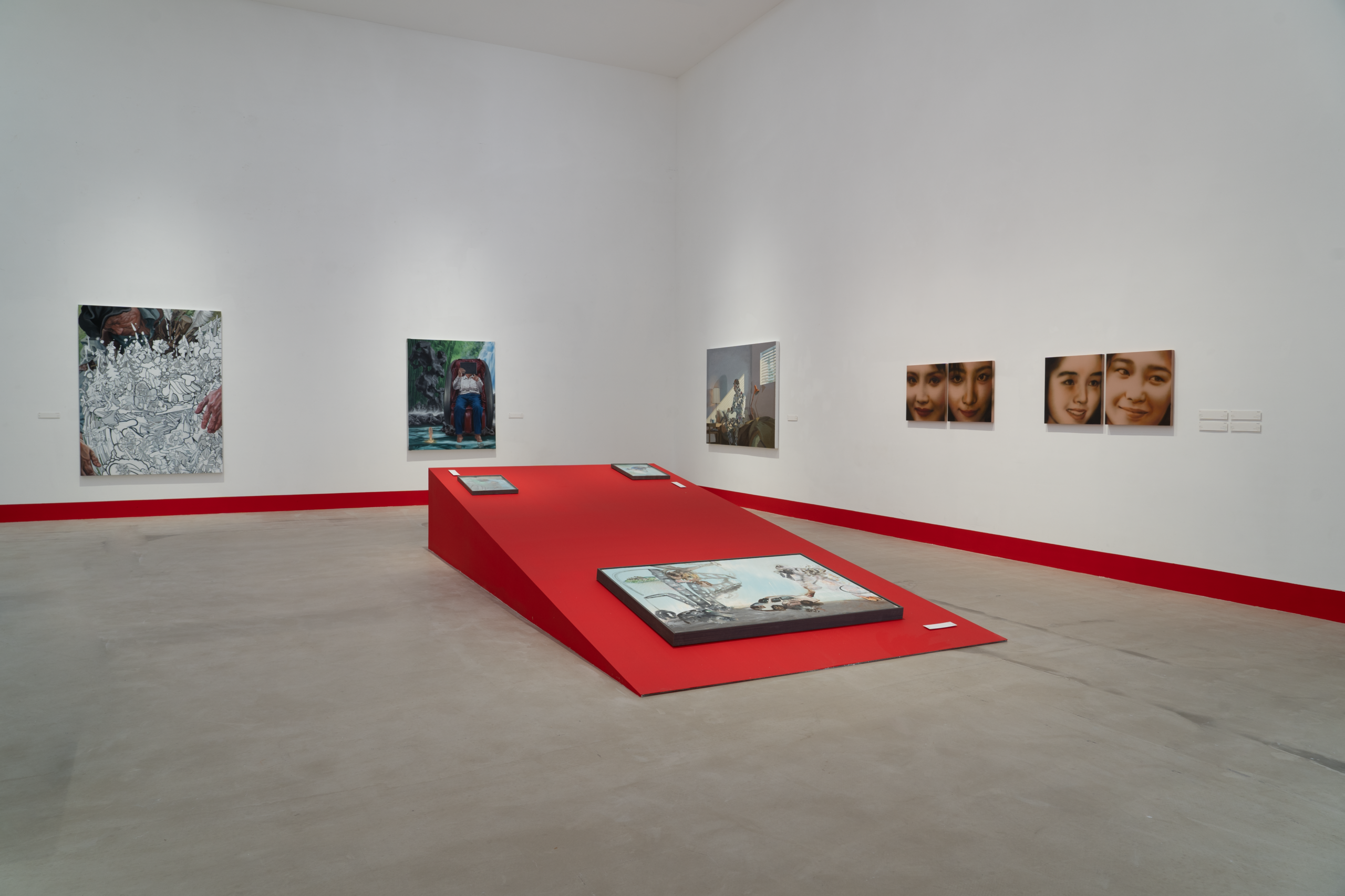
Sun Yifei relocates the Chinese ancient practice of “reading drawings,” once a favored mode of appreciating art, into a contemporary context. When a work is first encountered as a PDF, a digital images an exhibition document, or on social media, the act of “reading” has gradually shifted toward information browsing, file processing, and cultural consumption. Guo Zhaolin uses fragmented images and minute elements to construct the coherence of identity, presenting the continuous reorganization of individual attributes within the repeated rhythms of daily life. In Chen Yingzhou’s work, the image embraced by the hunter is composed of a dreamlike fictional forest. The main subject, environment, and psychological image are nested within one another, while the use of “bubble frames,” a visual form common in digital drawing, continues the artist’s exploration of contemporary memes. Wang Yi’s Chinese Girl series pulls classic portraits out of a nostalgic context and transforms them into material evidence based on digital computing power, redefining the productive relationship between algorithmic gazing and portraiture in an era when faces and appearances are calculated in bulk. The Blue Island series revolves around the subtle shifts that things undergo in memory. By capturing unreliable ruptures within spatial structures, Xing Wanli redefines the authenticity of images and the sources of memory.
02.
In Thus Spoke Zarathustra, Nietzsche proclaimed the death of God. This, of course, did not refer to the physical death of the divine, but to the gradual failure, in the process of modernization, of the value systems that once gave people measure, direction, and consolation. For Kundera, the absence of value does not always arrive in a violent form. He depict it as an expression closer to bodily sensation: in life’s unrepeatable and unverifiable moments, it becomes the unbearable “lightness” of being. By bringing this condition into the system of society, Han Byung-Chul, through his observations of self-exploitation and the violence of positivity, proposed the closely related theory of the “burnout society.” How to re-establish meaning through interaction with things, others, and the world has gradually become one of the important questions of our current days.
Therefore, attending to lived experience does not mean excessively magnifying individual experience or retreating from the collective and from history. Rather, it means reidentifying the continuously generative relationship between the two: the individual both bears private emotions and the shaping force of power structures, and, through labor and collaboration, becomes a participant in real meaning and shared history.
In these irreducible scenes of life, macro-level structures take on more concrete forms, while concrete individuals also reveal the possibility of participating in the construction of reality. In our integration with, and contestation of, the present context; in our capturing and re-creating of everyday moments, we become the actual “producers” of life, jointly responding to a nearly weightless, light yet uneasy state of existence brought about by the loosening of orders.
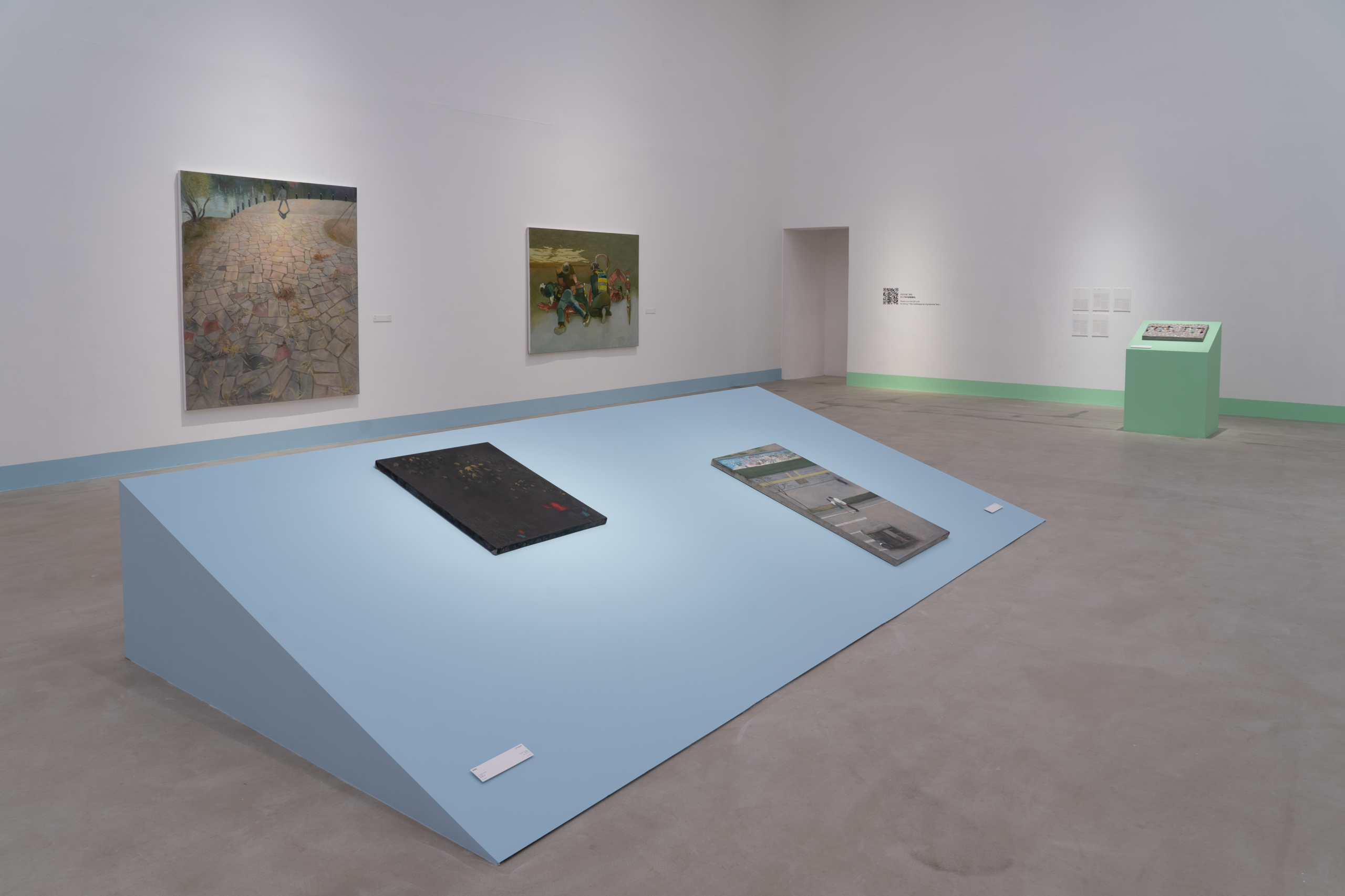
Li Penquan’s work originates from a daily news: a couple arguing in the street, with one person dragging the other into the middle of the road. This highly dramatic narrative of conflict is transformed by the artist into a slightly tender and ordinary everyday scene, making it difficult to distinguish whether what is shown in the image might also be part of love. In Zhu Yiming’s work, he attempts to capture latent power structures in life. The main figure’s “taming” of a Vajrapani statue recalls Foucault’s agents of discipline: power is no longer concentrated at the top, but diffused throughout everyday scenes and enacted by the nameless. Xu Tanghao depict on canvas an ordinary scene of walking along a gravel road beneath the sun. Dense natural imagery overlaps with heightened psychological emotion within a composite space, together forming an unavoidable part of human instinct. Yang Yueqi grounds his work in an Eastern narrative of space exploration. Through the restrained, forward-moving back of a figure holding a wrench, he creates the image of a pioneer who emerges from the people and devotes themselves to historical construction. The work points not only to the grounding of science-fictional vision in a people-centered view of history, but also to a long process of construction that does not seek theatricality.
03.
The traces of medium and material are the most powerful evidence of the creative process as a “real event.” Moving away from the presentation of a concept or story, they instead bring the artistic creations back to a site of experience through the resistance of brushstrokes, the texture of materials, and even their vulnerability and transformation over time. In doing so, they continuously explore the integrity of the “work” through material, movement and existential event.
Some artists attempt, through irrational visual expression, to shift from figurative and narrative modes of creation toward mixed media and polyphonic painting. In a context where creative language has been severely “contaminated” and images have been excessively consumed, they applied unpredictable methods and polysemy of material language to dissolve the one-directional reading of narrative images, recalibrating and redefining the interaction between medium and reality.
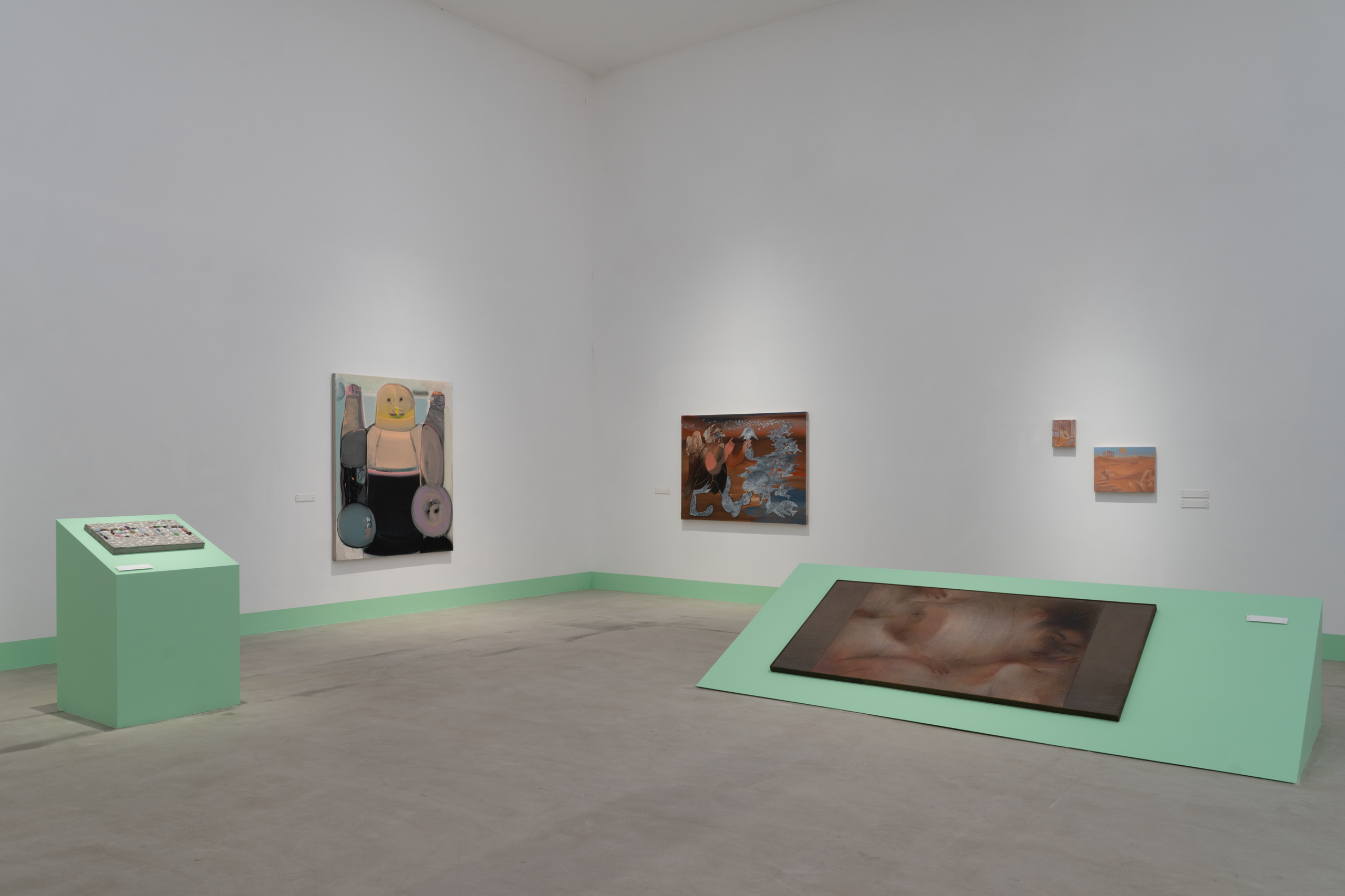
On canvas, Luo Ran uses a landscape-like visual approach to splice, stack, and mirror fragments of the human figure. Near the end of the creative process, he wipes the surface with coarse paper, causing the image to hover between emergence and disappearance. Painting is no longer merely the presentation of the human figure; it also becomes a representation of traces. In the Paradisaea series, Wu Linghao continues his translation of nostalgia and the characteristics of the post-sensibility era, while also completing a new exploration of the nested structure of “meta-painting” through a visual language in which the works function metonymically in relation to one another. Li Guanshuai consciously preserves contrasts in texture between media, accepting the contradictions and qualities of different materials through unembellished brushwork and forming a distinctive visual order. Through rough textures and fluorescent colors, Jiang Xiaoyu visually represents the fractured existential state of contemporary individuals within the society of the spectacle. At the same time, by combining masking tape and airbrush techniques, he artificially interrupts the flow of paint and narrative emotion, creating a sustained confrontation on the canvas. Song Long inspired from her recurring childhood experience, fixing in place the bodily memory of stepping barefoot onto cobblestones, where pain and curiosity coexist, as a path wrapped in soft material.
New ideology arrives in waves, and the old reassessed. From modes of viewing reshaped by algorithms and data, to the individual’s renewed affirmation of lived experience, and the exploration of the materiality of creation, this exhibition does not attempt to provide answers to the problems we are facing. Rather, it hopes to reveal images through images, respond to experience with experience, and to allow the once obscured perceptions to be raised. Amid the barbarous clangour of a gong, and within a reality in constant tremor, we once again recognize our relationship with the flow of times.
SELECTED WORKS
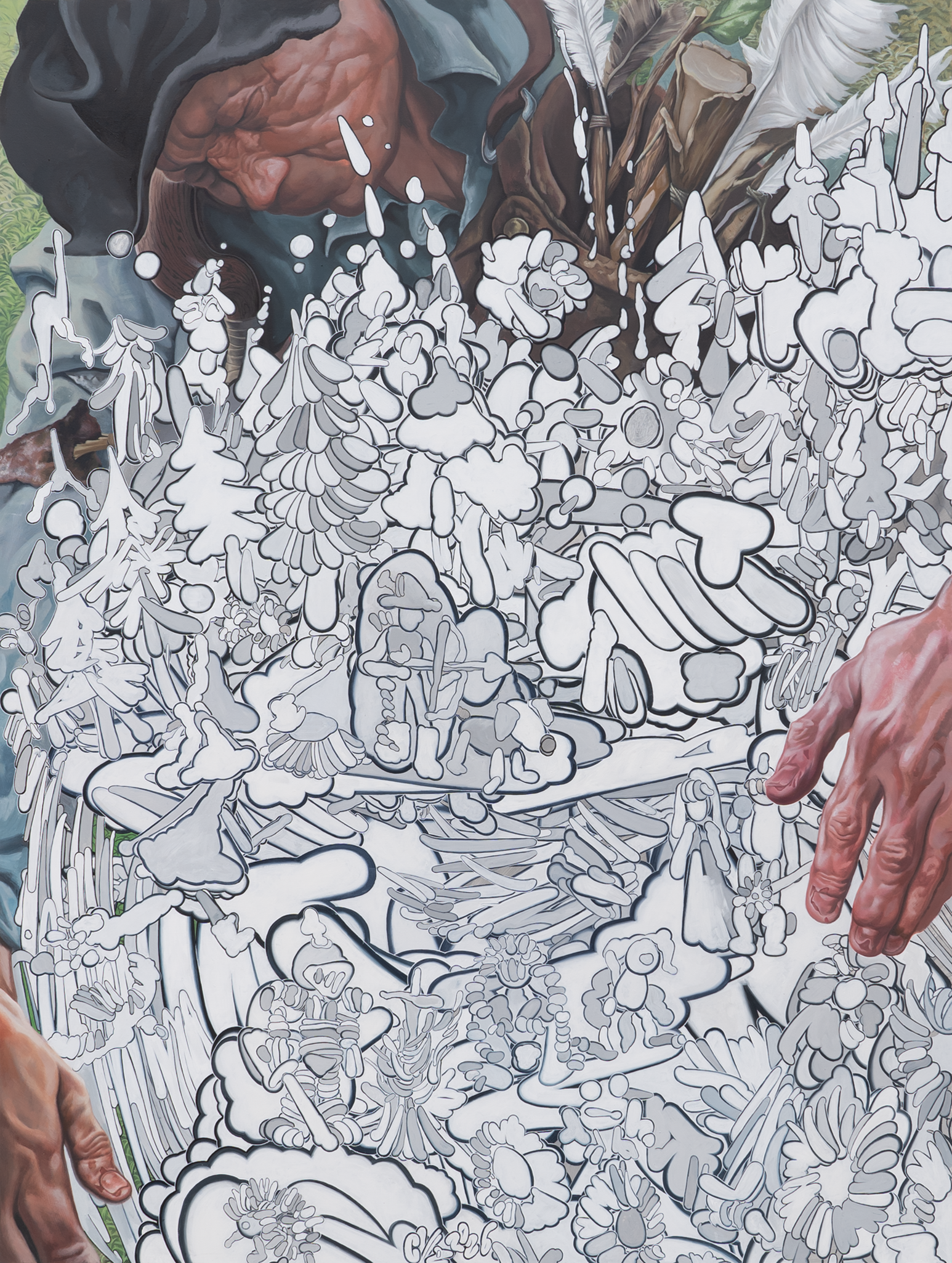
Chen Yingzhou
Hunter's Dream

Guo Zhaolin
One Second Before the Workday

Jiang Xiaoyu
Double-faced Man No.2
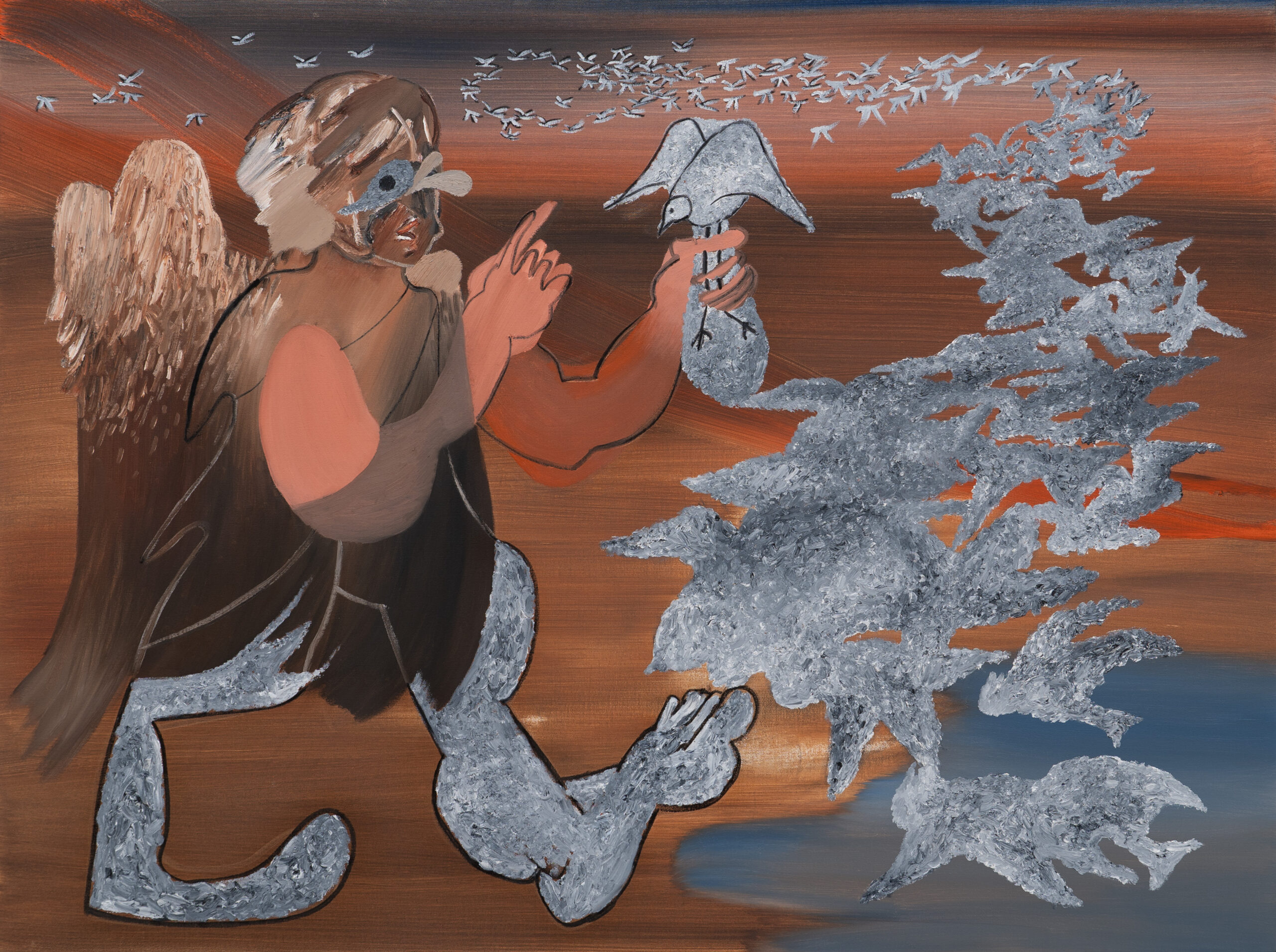
Li Guanshuai
Communal Baptism

Li Pengquan
Love

Luo Ran
A Faded Holiday

Song Long
Barefoot-Return
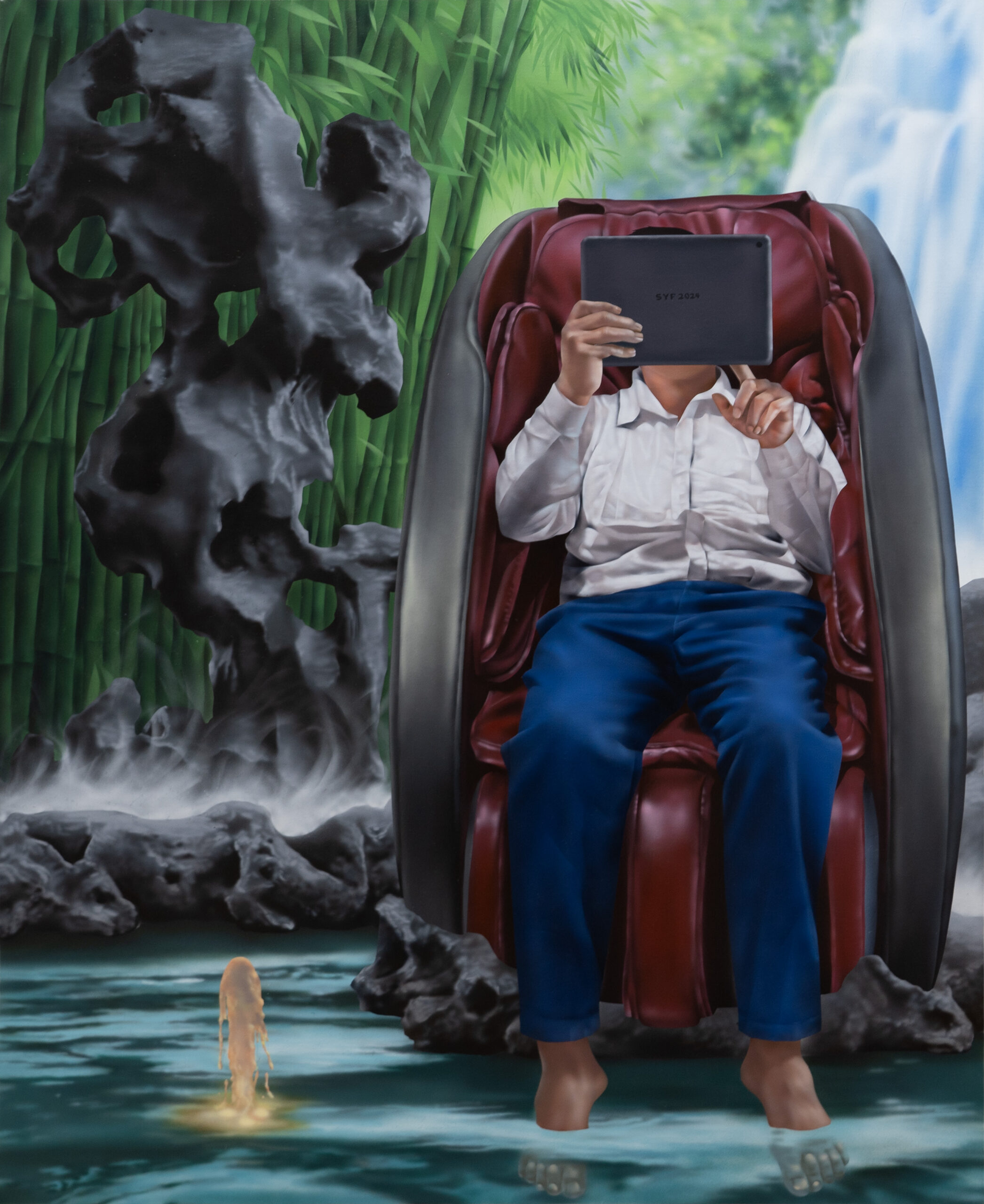
Sun Yifei
Read the drawing

Wang Yi
Chinese Girl-CV05
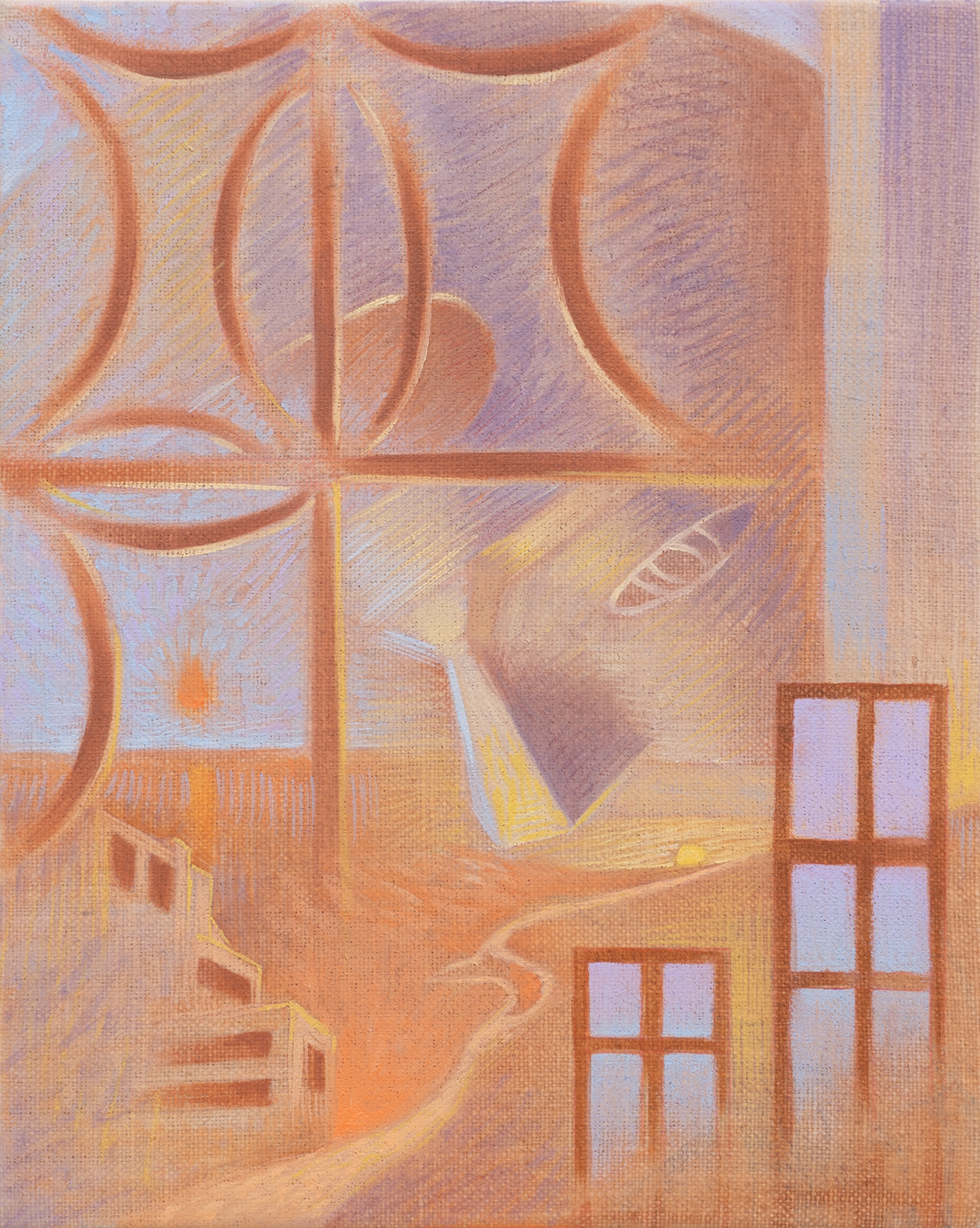
Wu Linghao
Paradisaea II

Xing Wanli
Put a Tiger in Your Tank

Xu Tanghao
Wandering at the End of the Road

Yang Yueqi
Vanguard
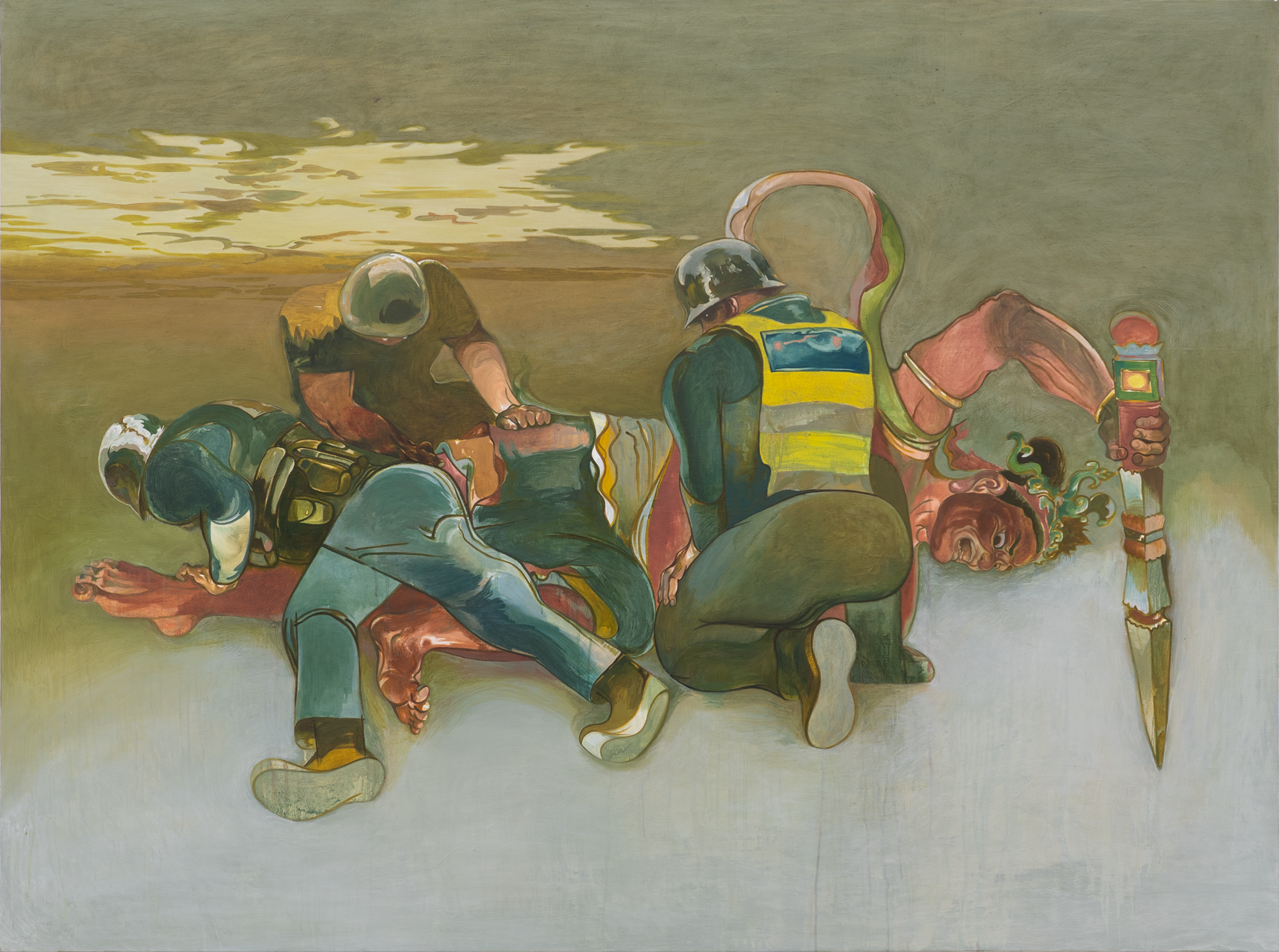
Zhu Yiming